Loading brand data...
Garden for Wildlife has a variety of plants to bring back butterflies, birds and native bees to your area. Shop now and plant with purpose.
Monthly traffic, revenue estimates and visitor behavior — based on public data.
Garden for Wildlife (gfw-demo-shop.myshopify.com) is a United States-based online store specializing in /Science. The store is generating approximately $350K in monthly revenue, attracting 40K monthly visitors, with a catalog of 89 products. This brand ranks as a growing store with steady visitor engagement in its category. Their technology stack includes Advanced Store Localization, UpPromote Affiliate Marketing, and Rise.ai: Gift Cards & Loyalty for enhanced store functionality. Geographic distribution shows 91% of traffic from United States, followed by 3% from Australia.
Get precise traffic data
Exact visitor counts, traffic sources, geographic breakdowns & profit margins.
Top 6 products from this store. 89 total in catalog.

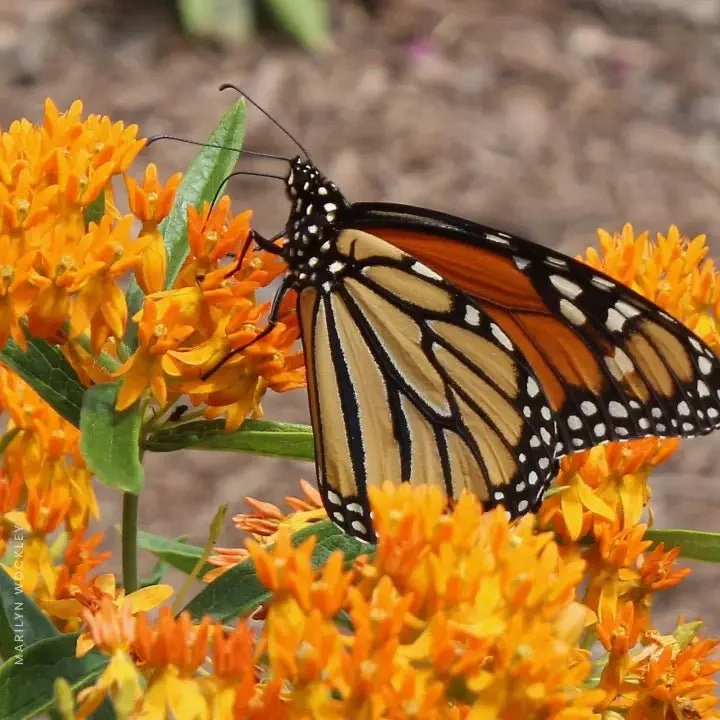
Orange Butterfly Milkweed (Asclepias tuberosa) is a must-have for any butterfly enthusiast looking to support monarchs and other critical wildlife species. This stunning native plant features clusters of vibrant yellow to bright orange flowers, providing a splash of color that attracts monarchs, queen butterflies, and a host of other pollinators. With its compact, shrub-like structure, it's perfect for urban or suburban yards and even large containers. Why Choose Orange Butterfly Milkweed? Support Monarchs and More: As a vital host plant for monarch caterpillars, Orange Butterfly Milkweed plays a crucial role in supporting the lifecycle of these iconic butterflies. Its nectar-rich blooms also attract a variety of other butterflies, bees, moths, and birds. Year-Round Beauty: This perennial plant returns each year, offering consistent beauty and ecological benefits with minimal effort. Eco-Friendly: Grown non-GMO and free of harmful neonicotinoids , Orange Butterfly Milkweed promotes a healthy environment for pollinators and your garden. Low Maintenance: Thrives in full sun with minimal water once established, reducing your garden’s water needs and maintenance time. Deer Resistant: Once established, this hardy plant is resilient to deer browsing, ensuring it remains a standout feature in your garden. Product Highlights: Vibrant Blooms: Clusters of yellow to bright orange flowers create a stunning visual impact. Compact Size: Ideal for small garden spaces, urban and suburban yards, and large containers. Wildlife Support: Provides essential resources for monarchs, queen butterflies, other butterflies, bees, moths, and birds. Sustainable Gardening: Never needs chemicals and requires less water once established. Available in sets of three, six, or 12 plants to fit any garden size and layout. Planting Tips: Location: Plant in a sunny spot with well-drained soil. Watering: Water regularly during the first growing season to establish deep roots. Once established, water sparingly. Maintenance: Minimal care required. There's no need to deadhead the flowers, as allowing them to go to seed provides a valuable food source for birds. Leaving the stems standing in the fall offers overwintering sites for beneficial insects. If desired, cut back the stems in late spring after pollinators have emerged. For more information on planting, view our How to Plant Your Native Plants guide and other planting tips in the Garden for Wildlife Learning Center . Enhance your garden’s beauty and ecological value with Orange Butterfly Milkweed. Create a vibrant, low-maintenance haven for monarchs and other pollinators, and enjoy the rewards of supporting local wildlife. Upgrade Your Garden: For an even greater impact, consider upgrading to the Monarch Munchables curated collection . This variety pack includes native plants carefully selected to support the full lifecycle of the monarch butterfly, providing a comprehensive habitat that encourages their presence and prosperity.

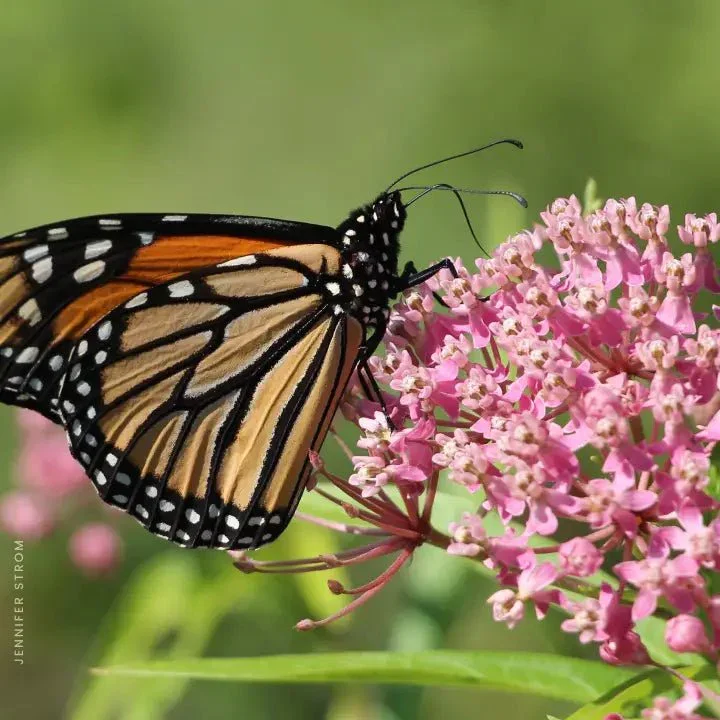
Swamp Milkweed ( Asclepias incarnata ) is a vital host plant for monarch butterfly caterpillars and a top nectar source for pollinators. This beautiful, long-blooming perennial produces clusters of rose-to-deep pink flowers on tall, branching stalks with narrow, lance-shaped leaves. As a wetland-loving species , swamp milkweed thrives in rain gardens, pond edges, and moist soils , making it an excellent addition to wildlife-friendly landscapes. Key Features: Monarch Host Plant: Essential for monarch butterfly caterpillars , providing food for their life cycle. Pollinator Favorite: Abundant nectar attracts butterflies, moths, bees, and hummingbirds . Long-Lasting Blooms: Rosy-pink flowers bloom from mid-summer through early fall , adding vibrant color and texture. Fall & Winter Interest: Tan/brown seed pods develop in fall and persist into winter, supporting birds and beneficial insects. Moisture-Loving: Ideal for rain gardens, pond edges, and wet meadows , but also grows well in average garden soils. Low Maintenance: Once established, it requires minimal water and no chemicals . Deer Resistant: Naturally unappealing to deer, ensuring lasting blooms. Pollinator-Safe: Grown non-GMO and free of harmful neonicotinoid s , promoting a healthy ecosystem for pollinators and wildlife. Available in sets of three, six, or 12 plants to suit gardens of any size. Why Choose Swamp Milkweed? Swamp Milkweed is a must-have for monarch conservation and pollinator-friendly gardens . Its striking pink blooms, adaptability to wet soils, and role as a caterpillar host plant make it an essential choice for creating a thriving habitat. Whether used in wildflower meadows, butterfly gardens, or rain gardens , this native perennial adds both beauty and ecological value. Planting Tips: Location: Prefers full sun to part shade with moist, well-drained soil ; tolerates average garden conditions. Watering: Water regularly during the first growing season to establish roots; tolerates drier conditions once mature. Maintenance: Minimal care required. There's no need to deadhead the flowers , as allowing them to go to seed provides a valuable food source for birds. Leaving the stems standing in the fall offers overwintering sites for beneficial insects. If desired, cut back the stems in late spring after pollinators have emerged. For more information on planting, view our How to Plant Your Native Plants guide and other planting tips in the Garden for Wildlife Learning Center . Plant s wamp milkweed and create a pollinator paradise while playing a crucial role in monarch butterfly conservation !

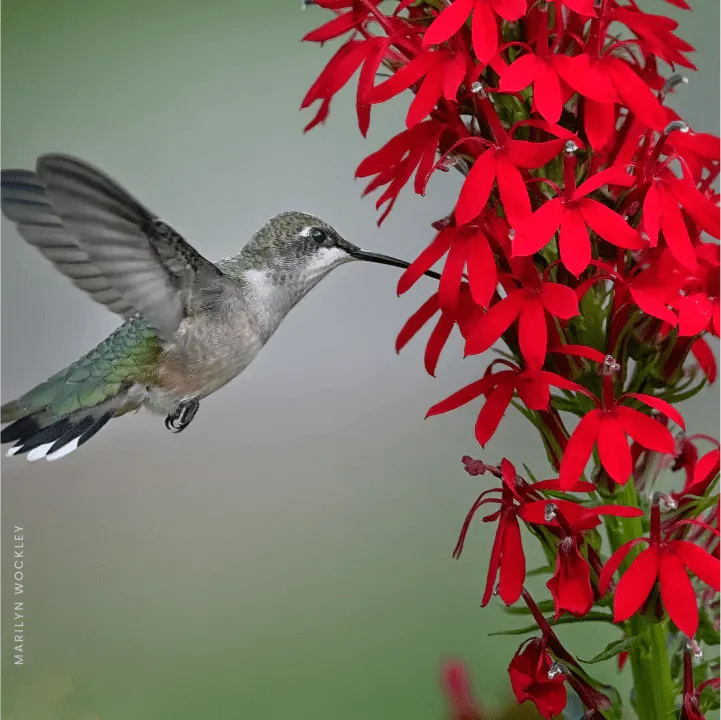
Cardinal Flower ( Lobelia cardinalis ) is a striking native perennial that dazzles with its brilliant red, tubular flowers from mid-summer through fall. A must-have for hummingbird enthusiasts, this plant provides an essential nectar source during peak migration periods. Its bold color and tall, elegant spikes also attract butterflies, moths, and bees, creating a vibrant pollinator haven in your garden. Perfect for moist to wet soils, cardinal flower thrives in full sun to part shade, adding rich texture and seasonal beauty to rain gardens, pond edges, and wildlife-friendly landscapes. Key Features: Hummingbird Favorite: Bright red, tubular blooms are a top nectar source, making this plant an irresistible magnet for hummingbirds. Wildlife Support: Attracts butterflies, moths, and bees while also providing seeds for birds in the fall. Seasonal Beauty: Adds striking color and texture from summer into fall, complementing other native perennials. Moisture-Loving: Thrives in wet to consistently moist soils, making it ideal for rain gardens, pond margins, and wetland areas. Low Maintenance: Returns each year with minimal care and requires less water once established. Pollinator-Safe: Grown non-GMO and free of harmful neonicotinoids , promoting a healthy ecosystem for pollinators and wildlife. Available in sets of three, six, or 12 plants to suit gardens of any size. Why Choose Cardinal Flower? Cardinal flower is more than just a showstopper—it’s a lifeline for hummingbirds and pollinators. Whether planted along a water feature, in a rain garden, or in a wildlife-friendly border, its bold blooms provide essential food sources and unmatched beauty. If you're looking to create a hummingbird haven while enhancing your garden with vibrant summer-to-fall color, this is the plant for you. Planting Tips: Location: Prefers full sun to part shade with moist to wet, well-drained soil. Watering: Keep soil consistently moist, especially in drier conditions. It thrives in wetland areas and rain gardens. Maintenance: Minimal care required. Leave stems standing through fall and winter to provide habitat for overwintering insects and add winter interest. If desired, cut back the stems in late spring after pollinators have emerged. For more information on planting, view our How to Plant Your Native Plants guide and other planting tips in the Garden for Wildlife Learning Center . Invite hummingbirds and pollinators into your garden with the breathtaking cardinal flower. Its vibrant red blooms, ecological benefits, and easy-care nature make it a must-have for any wildlife-friendly landscape.

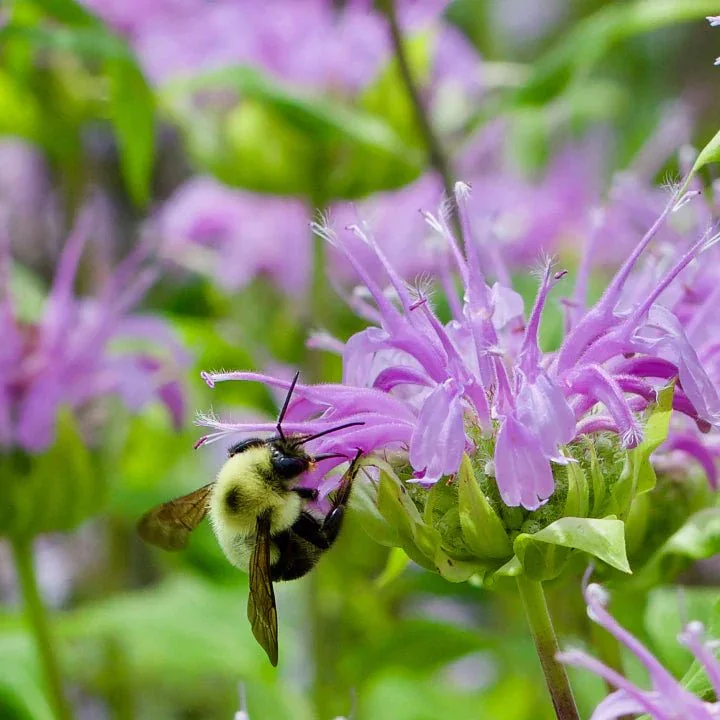
Bee Balm ( Monarda fistulosa ), also known as Wild Bergamot, is a pollinator favorite, bursting with lavender-pink tubular flowers that bloom from late-spring through early fall. These nectar-rich blooms make it a magnet for hummingbirds, butterflies, bees, and moths , while its aromatic foliage adds an extra layer of sensory appeal to your garden. Beyond its beauty, this hardy native perennial adds texture, movement, and color to wildflower meadows, pollinator gardens, and borders. Key Features: Hummingbird & Pollinator Magnet: Tubular blooms provide essential nectar for hummingbirds, native bees, butterflies, and moths. Long-Lasting Blooms: Vibrant flowers brighten the garden from late-spring to fall , keeping pollinators well-fed. Aromatic Foliage: Fragrant leaves add an herbal scent to your garden and can be used in teas and natural remedies. Drought Tolerant: Thrives with minimal water once established, making it ideal for sustainable landscaping. Deer Resistant: Naturally unappealing to deer, ensuring long-lasting blooms. Pollinator-Safe: Grown non-GMO and free of harmful neonicotinoids , promoting a healthy ecosystem for pollinators and wildlife. Available in sets of three, six, or 12 plants to suit gardens of any size. Why Choose Bee Balm? Bee Balm is a garden essential for those looking to support pollinators while enjoying low-maintenance, long-lasting color . Its fragrant foliage, extended bloom time, and wildlife benefits make it a standout in sunny borders, pollinator habitats, and naturalized landscapes. Planting Tips: Location: Prefers full sun to part shade with well-drained soil. Watering: Water regularly during the first growing season to establish roots; drought-tolerant once established. Maintenance: Minimal care required. There's no need to deadhead the flowers , as allowing them to go to seed provides a valuable food source for birds. Leaving the stems standing in the fall offers overwintering sites for beneficial insects. If desired, cut back the stems in late spring after pollinators have emerged. For more information on planting, view our How to Plant Your Native Plants guide and other planting tips in the Garden for Wildlife Learning Center . Bring vibrant color, movement, and pollinator activity to your garden with Bee Balm . Its aromatic foliage, extended bloom time, and ecological benefits make it a must-have for any wildlife-friendly landscape.


Not sure which Garden for Wildlife Native Plant Collection is the best option for someone else, or when they’ll be home to receive their plants? Give the gift of choice with a Garden for Wildlife e-gift card. Our plants are grown non-GMO and free of harmful neonicotinoids for healthy pollinators and planet. Send your gift card electronically by email, text, Facebook/Instagram messenger, or print it for your gift recipient to give in-person. For the advanced shoppers, there's even an option to schedule your email for a specific date in the future so the message arrives exactly when you want. Instructions for redeeming gift cards are provided with the card information sent to your gift recipient. IMPORTANT NOTES: Garden for Wildlife Native Plants can only be shipped to the areas we serve at the time of redemption. Please make sure you only send gift cards to people who live in one of these locations . Please also note that Garden for Wildlife gift cards can only be redeemed at gardenforwildlife.com and not on shopnwf.org or National Wildlife Federation catalog merchandise.

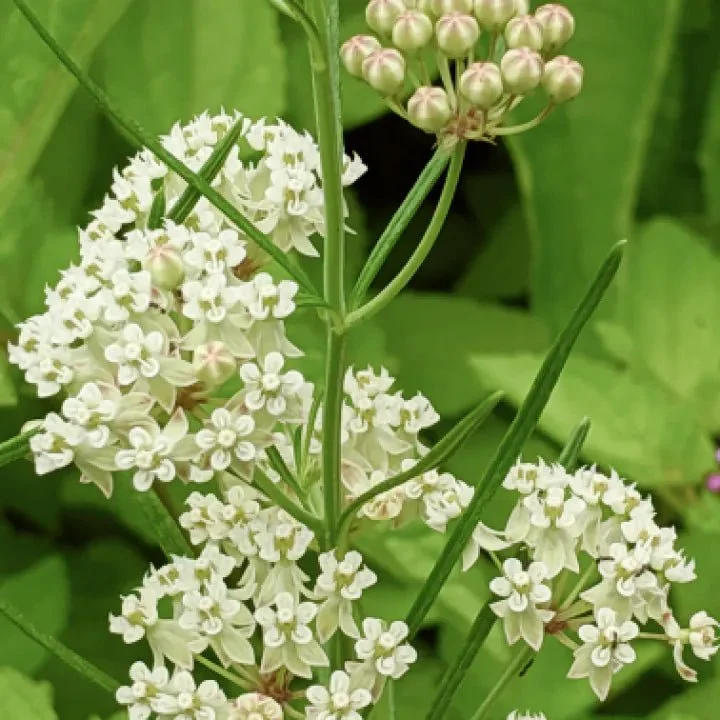
Whorled Milkweed (Asclepias verticillata) is a resilient and versatile native plant, perfect for dry, sunny, and partly shaded areas. Its pale green-white hue and thin, whorled leaves create a delicate beauty in your garden. Late in the season, this milkweed produces tiny, fragrant blooms that provide nectar for a variety of butterflies and bees through early fall, making it an essential addition to any pollinator-friendly garden. Key Benefits: Monarch Host Plant: A crucial host plant for monarch caterpillars, supporting their lifecycle and aiding in their conservation. Pollinator Magnet: The late-season blooms attract a diverse array of butterflies and bees, ensuring your garden is buzzing with activity. Wildlife Support: Provides essential resources for birds, butterflies, moths, and bees, contributing to a vibrant and biodiverse garden ecosystem. Perennial Beauty: Returns each year with minimal care, offering lasting beauty and ecological benefits. Low Maintenance: Requires less water once established and thrives without the need for chemical treatments, promoting a sustainable garden. Deer Resistant: Once established, Whorled Milkweed is resilient to deer browsing, ensuring the longevity and health of your garden. Versatile Quantities: Available in sets of three, six, or 12 plants, making it easy to tailor your garden's needs. Why Choose Whorled Milkweed? Whorled Milkweed not only enhances the aesthetic appeal of your garden but also plays a pivotal role in supporting local wildlife, particularly monarch butterflies. Its fragrant blooms and delicate foliage add texture and interest to garden beds and borders, while its ecological benefits ensure a thriving, sustainable landscape. Planting Tips: Location: Choose a sunny or partly shaded area with well-drained soil. Watering: Water regularly during the first growing season to establish deep roots. Once established, reduce watering frequency. Maintenance: Minimal care required. There's no need to deadhead the flowers, as allowing them to go to seed provides a valuable food source for birds. Leaving the stems standing in the fall offers overwintering sites for beneficial insects. If desired, cut back the stems in late spring after pollinators have emerged. For more information on planting, view our How to Plant Your Native Plants guide and other planting tips in the Garden for Wildlife Learning Center . Transform your garden into a sanctuary for monarchs and other pollinators with Whorled Milkweed. Enjoy the delicate beauty and significant ecological benefits this native plant brings to your landscape.


83 more products
Revenue per product, sales velocity & trending status
Organic vs paid traffic, top SEO keywords and geographic audience distribution.
Last 12 months
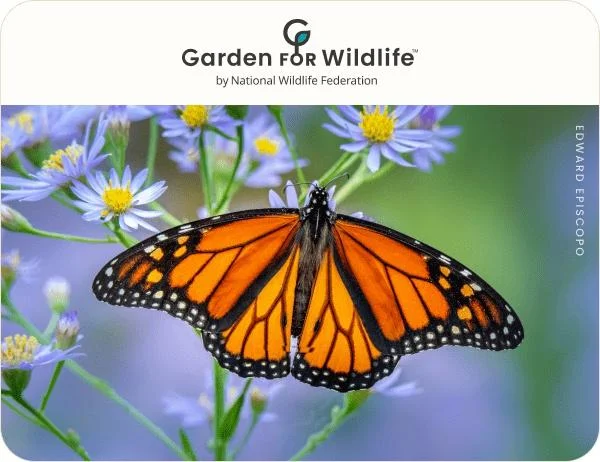
5 ad creatives running on Meta platforms. Analyze messaging, targeting strategy, and creative angles.

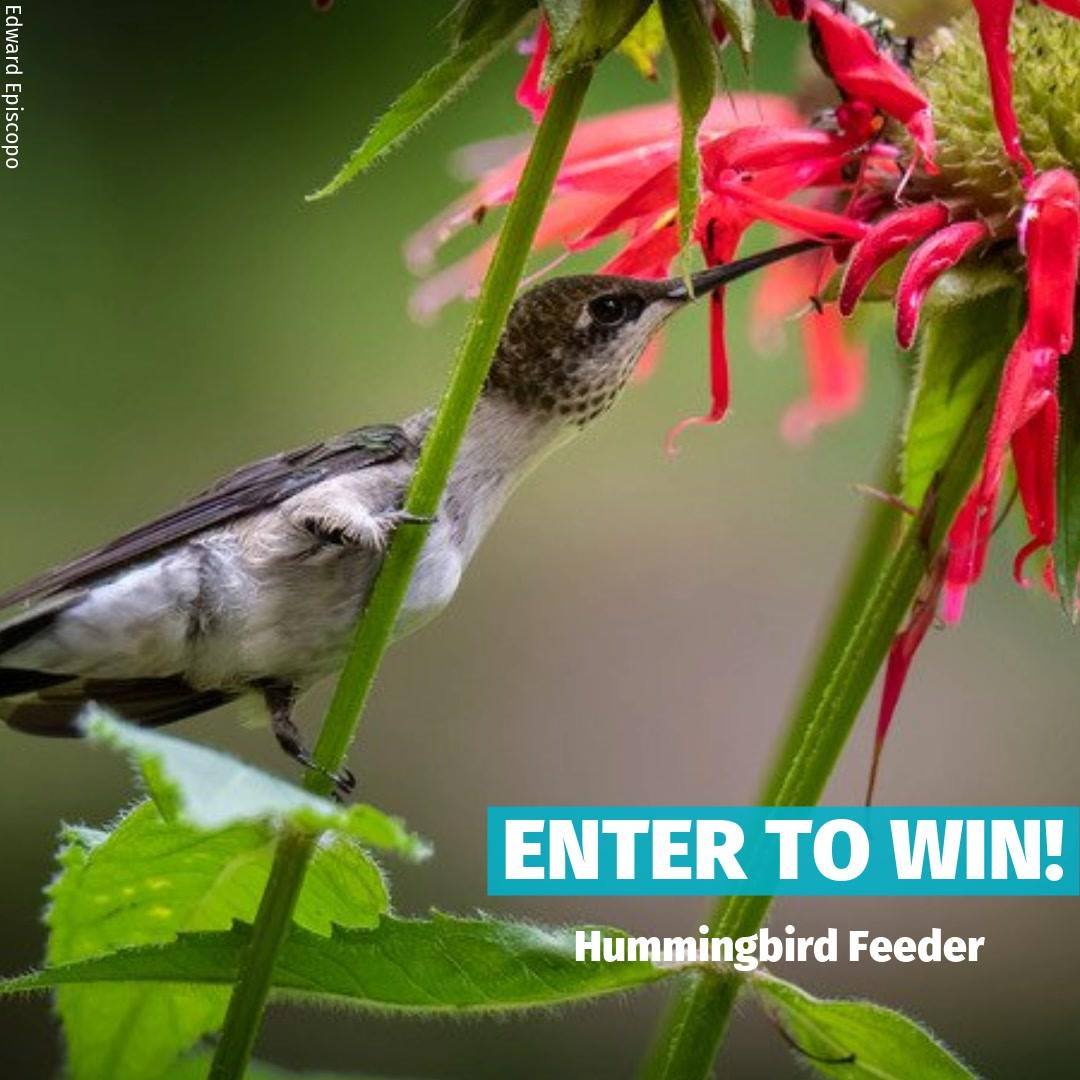
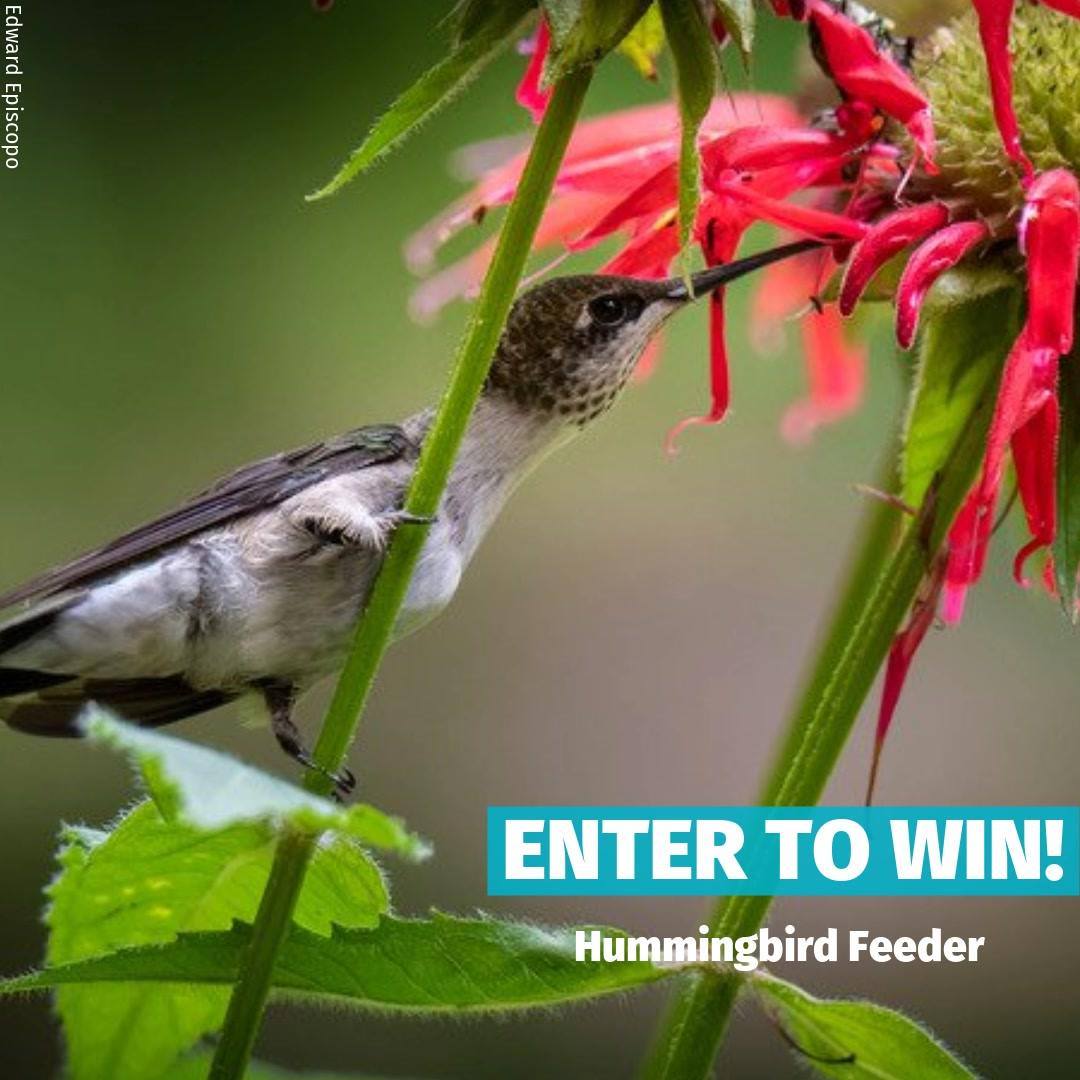
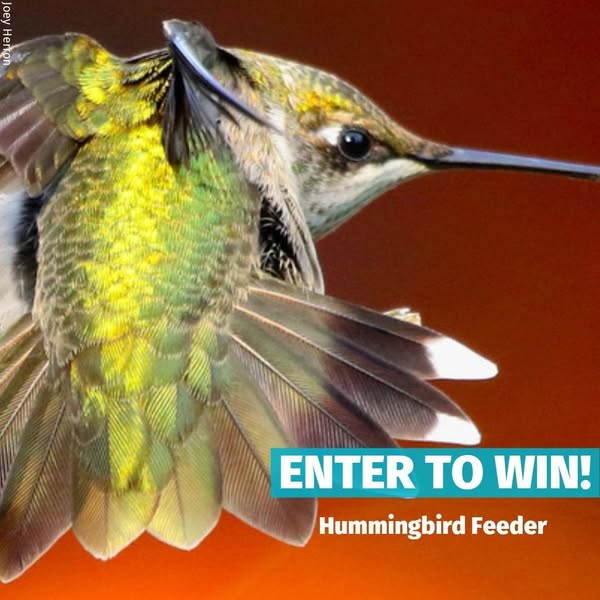
Join the Garden for Wildlife Community this June and be entered to win a hummingbird feeder and the how-to book Attracting Birds, Butterflies, and other Backyard Wildlife!

Join the Garden for Wildlife Community this June and be entered to win a hummingbird feeder and the how-to book Attracting Birds, Butterflies, and other Backyard Wildlife!

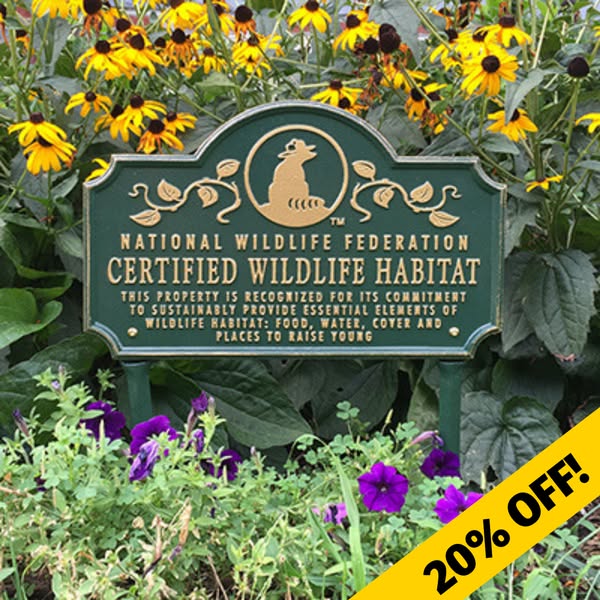
SAVE 20% when you certify and purchase any Certified Wildlife Habitat sign. Use promo code GARDEN19

Join the Garden for Wildlife Community this June and be entered to win a hummingbird feeder and the how-to book Attracting Birds, Butterflies, and other Backyard Wildlife!

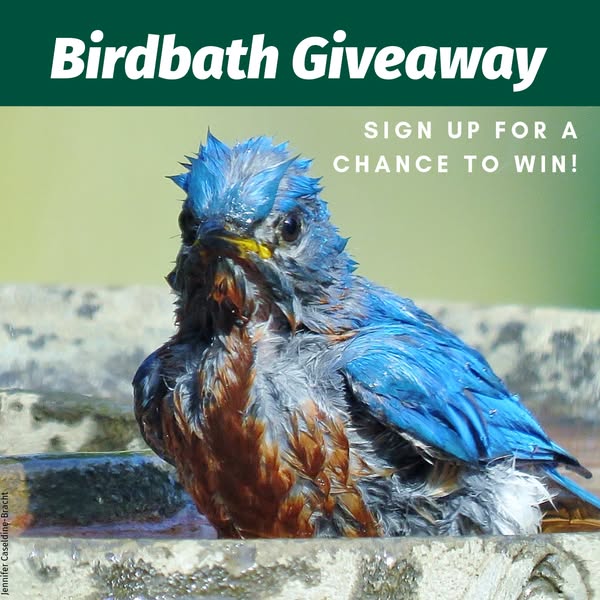
Enter the Water for Wildlife sweepstakes! Sign up for the Garden for Wildlife Community in July for a chance to win.
440 more ad creatives
Ad spend, audience targeting & creative performance
Complete breakdown of Shopify apps, marketing tools, analytics platforms, and conversion optimization technologies powering this e-commerce store's operations.
Showing 5 technologies • 3 more available

Security, reliability and speed everywhere, powered by an intelligent global network.

Arrive gives you accurate and timely updates on everything you order, across all online retailers.

Make contactless, secure purchases in stores, in apps, and on the web.
Showing 5 applications • 3 more available
Grow faster and more efficiently with email, sms, reviews and more. Powered by your customer data.

Create and sell custom products with print-on-demand dropshipping
Complete, easy referral & affiliate program app, trusted by top brands & experts for a revenue boost
Stamped Reviews increases conversions with reviews & ratings, photos & videos, and Q&A.
Get winning data you can't find anywhere else, save 95% of your time, and replace $1500+/m in tools. The platform built to make you rich fast for sure.
"The ability to see exactly what creatives are scaling for our competitors is a cheat code. We've improved our hit rate on new ad launches by over 300%."


Showing 6 of 6 similar stores with overlapping products, audience, and strategies.


See all competitors, ad creatives, and marketing strategies for Garden for Wildlife.
Start free


Everything you need to know about gardenforwildlife.com
According to BrandSearch data, gardenforwildlife.com's product catalog includes 89 items. Analyze their winning products, trending items, pricing strategies, product descriptions, and top sellers. See which products drive the most revenue and learn from their product selection strategy to find your own winning products for dropshipping or private label.
According to BrandSearch analytics, gardenforwildlife.com receives approximately 39,572 monthly visitors. BrandSearch provides detailed traffic analytics including organic vs paid traffic sources, geographic distribution, bounce rates, session duration, and estimated monthly revenue ranges. Use these performance metrics to benchmark your own e-commerce store and set realistic growth targets.
Yes! BrandSearch's ad intelligence reveals gardenforwildlife.com's complete Meta advertising strategy including all Facebook ads, Instagram ads, and ad creatives. Analyze their ad copy, visual hooks, call-to-actions, targeting strategies, and promotional offers. Study their winning ad creatives to inspire your own Facebook and Instagram advertising campaigns and improve your ROAS (Return on Ad Spend).
BrandSearch's technology detection identifies gardenforwildlife.com's complete tech stack including all Shopify apps, theme, payment processors, email marketing tools, analytics platforms, and conversion optimization apps. See which apps they use for reviews, upsells, abandoned cart recovery, SEO, and social proof. Copy their winning tech stack to build a high-converting e-commerce store without trial and error.
BrandSearch provides full competitive intelligence on gardenforwildlife.com: traffic sources (organic SEO, paid ads, social media, email), top SEO keywords driving traffic, geographic markets, customer demographics, advertising spend estimates, and growth trends. Identify gaps in their product range, find underserved niches, analyze their pricing strategy, and discover opportunities to differentiate your brand. Perfect for competitive analysis and market research.
BrandSearch helps you identify gardenforwildlife.com's business model by analyzing their product catalog, supplier patterns, shipping locations, pricing margins, and product uniqueness. See if they're running a dropshipping operation, selling private label products, or manufacturing their own goods. Learn from their product sourcing and fulfillment strategies to optimize your own e-commerce operations.


See every product, winning ad, traffic source and revenue signal behind Garden for Wildlife — in seconds.
Explore other stores similar to Garden for Wildlife