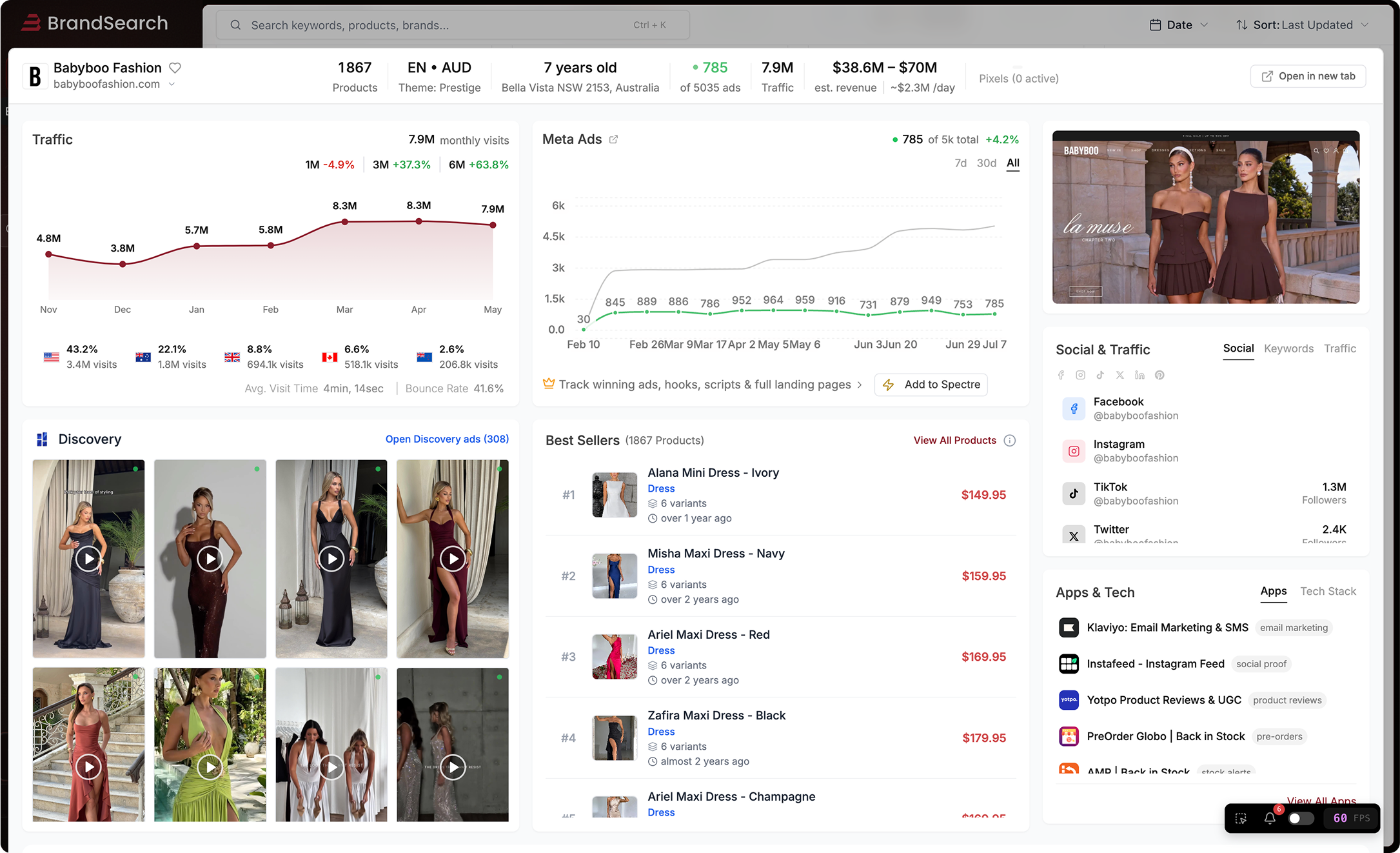
Monthly traffic, revenue estimates and visitor behavior — based on public data.
About Switch Research
Last updated: March 7, 2026
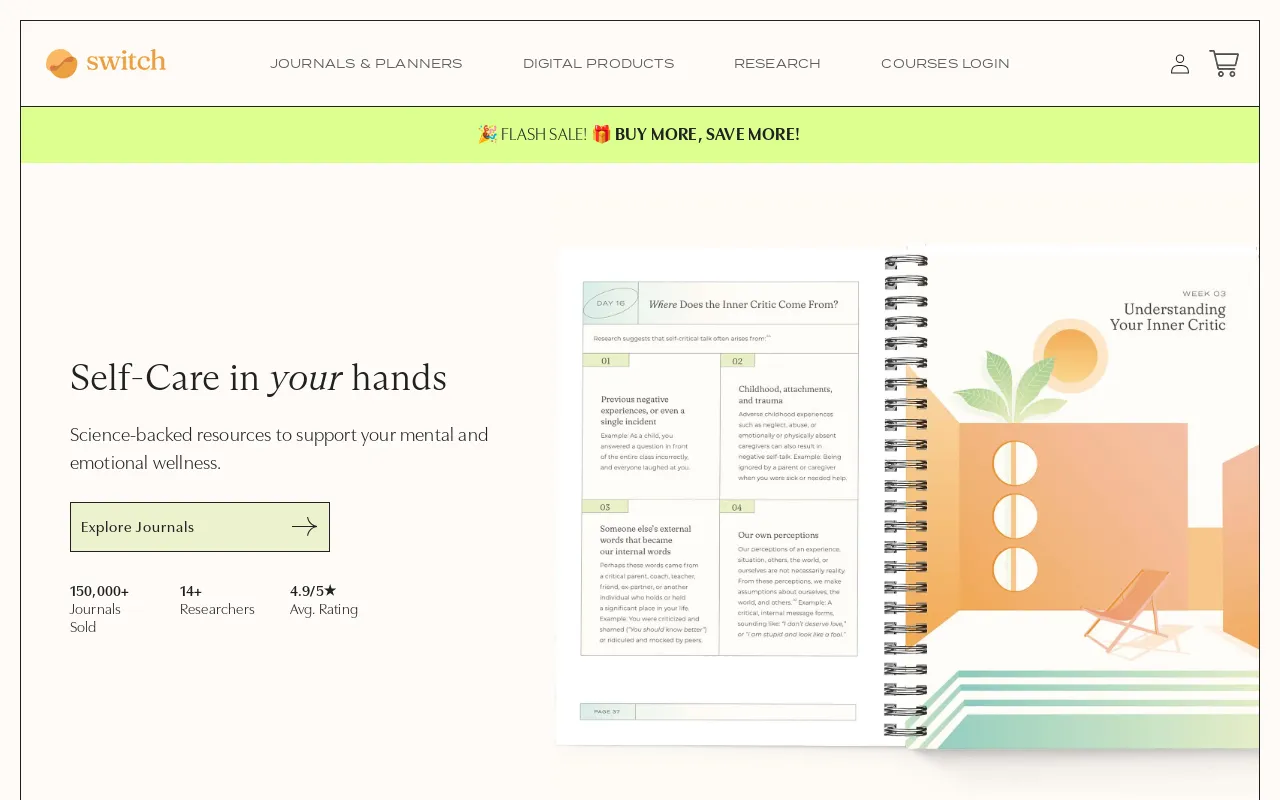
According to BrandSearch data, Switch Research (switchjournals.myshopify.com) is a United States-based online store specializing in /People & Society, attracting 101K monthly visitors. The store is generating approximately $892K in monthly revenue according to BrandSearch estimates, with a catalog of 7 products. According to BrandSearch analysis, this brand ranks in the top 25% as a strong performer with above-average traffic in its category. Their technology stack includes Simprosys Google Shopping Feed, Grommet: Launch Your Product, and Junip ‑ Product Reviews App for enhanced store functionality. Geographic distribution shows 96% of traffic from United States, followed by 1% from Brazil.
Top 6 products from this store. 7 total in catalog.
Preview mode
#1 Bestseller
3 variants
The Self-Love Journal
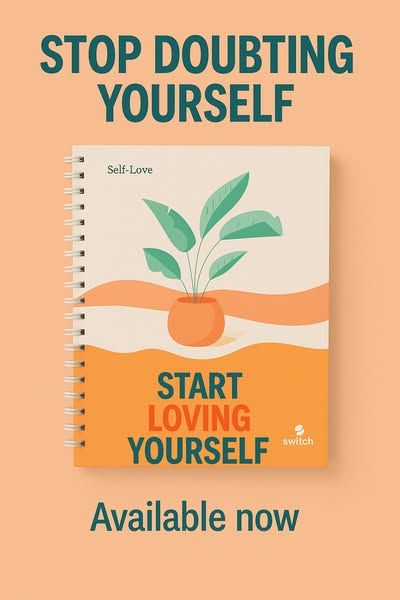
Discover your inner strengths and overcome self-doubt in just 21 days or your money back. The Self-Love Journal is a comprehensive, evidence-based 91-day program designed to help individuals cultivate self-love, self-acceptance, and self-esteem, and improve their mental and emotional well-being. It includes a beautiful physical hardcover journal, and daily video guidance.
$39
In stock
#2 Bestseller
5 variants
The Self-Love Journal Promotion
Discover your inner strengths and overcome self-doubt in just 21 days or your money back. The Self-Love Journal is a comprehensive, evidence-based 91-day program designed to help individuals cultivate self-love, self-acceptance, and self-esteem, and improve their mental and emotional well-being. It includes a beautiful physical hardcover journal, and daily video guidance.
$29.99
In stock
#3 Bestseller
3 variants
The Emotions Journal
Unlock the power of emotional intelligence and regulation with our comprehensive 64-day journal. Get unlimited access to daily video guidance with a licensed therapist and a beautifully designed journal to guide your emotional expression. The Emotions Journal is a comprehensive, evidence-based 64-day program designed to help individuals cultivate enhanced emotional awareness, emotion-body connection, and emotional regulation.
$39
In stock
#4 Bestseller
3 variants
The Boundaries Journal
Empower yourself with The Boundaries Journal: A 30-day therapist-led guided journaling program, including video guidance and a beautiful softcover journal. Through daily guided prompts, video lessons, and a supportive community, the Boundaries Program helps individuals understand and assert their boundaries effectively, leading to improved relationships, increased self-confidence, reduced stress and anxiety , and a healthier sense of self.
$29.99
In stock
#5 Bestseller
The Complete Digital Journal Collection
**THIS IS FOR THE DIGITAL ONLY VERSION OF THE SELF-LOVE JOURNAL, SELF-TALK JOURNAL, EMOTIONS JOURNAL, AND BOUNDARIES JOURNAL. IMMEDIATELY AFTER PURCHASING YOU WILL RECEIVE A DOWNLOAD LINK SENT TO YOUR EMAIL**
$0
In stock
#6 Bestseller
2 variants
The Self-Talk Journals
Transform your life with The Self-Talk Journal: A therapist-led guided journaling program designed to help you overcome negative self-talk, harness your inner voice, and gain control over the inner critic. The Self-Talk Program is a comprehensive, step-by-step program that includes video guidance from a licensed therapist and 3 softcover journals. The program is divided into three parts: identifying your inner critic, challenging your inner critic, and replacing your inner critic. You’ll also learn powerful tools and techniques, like Cognitive Behavioral Therapy (CBT), that will help you transform the way you interpret the world.
$59
In stock
1 more products
Revenue per product, sales velocity & trending status
Organic vs paid traffic, top SEO keywords and geographic audience distribution.
Monthly Traffic
Last 12 months
101Kvisits/mo
1M+11.3%
3M+96.8%
6M+1064.4%
FebMarAprMayJunJulAugSepOctNovDecJan
Engagement
Pages / Visit1.9
Avg. Session123s
Bounce Rate55.9%
Traffic Sources
Direct49.9%
Social26.4%
Search19.2%
Referrals3.4%
Paid0.9%
Email0.1%
Top Markets
United States96.0%
Brazil1.5%
United Kingdom1.0%
Australia0.7%
Canada0.5%
Top SEO Keywords
Organic search terms
#1730 vol.
emotions journal
CPC $1.02$170
#2110 vol.
switch research self love journal
CPC $0.00$100
#39K vol.
nuora
CPC $1.29$40
#4180 vol.
the emotions journal switch research
CPC $0.00$20
#5180 vol.
the emotions journal
CPC $0.00$10
Meta Ads Library
Facebook & Instagram Ad Creatives
5 ad creatives running on Meta platforms. Analyze messaging, targeting strategy, and creative angles.
View details
FACEBOOK
Psychologist Urges Older Women To Do This For Their Mental Health
Last summer, my mom looked at me over dinner and said, quietly,
“I don’t even know who I am anymore.”
She’s 62.
Not sick. Not struggling with memory.
Just… gone, somehow.
Not in body, but in spirit.
For three years, I’ve watched her fade in slow motion.
Not the dramatic kind of suffering that makes people rally around you —
the quiet kind that nobody notices until it’s too late.
She still smiles when we visit, still cooks for the holidays, still asks about the kids.
But behind her eyes, there’s nothing.
She used to light up a room.
She’d dance in the kitchen. Belt out Fleetwood Mac songs. Laugh until her cheeks hurt.
Now, it’s like that part of her died, and no one said goodbye.
She doesn’t have hobbies anymore.
Doesn’t go out with friends.
Says she’s “too tired,” but it’s not her body that’s tired.
It’s her soul.
Every time I visit, it breaks me a little more.
Because I can feel her slipping away — and there’s nothing I can do.
I’ve tried everything.
Trips, classes, girls’ weekends.
She’ll go along for a bit, but it never sticks.
She always drifts back into the same quiet, numb routine.
And every time I drive home, I cry in the car.
Because how do you save someone who’s slowly forgetting how to feel alive?
Then, a few months ago, I was on the phone with my mom’s oldest friend —
Linda, who’s a retired therapist.
I told her what was going on. How Mom just… seemed done.
Linda sighed and said, “She’s not done, honey. She’s disconnected. That’s different.”
Then she said something that’s stuck in my head ever since:
“Your mom has spent her whole life caring for everyone else. But when the noise stops — the kids, the job, the responsibilities — people like her don’t know who they are anymore. It’s not depression. It’s emotional amnesia.”
I asked what she meant, and she said,
“She’s forgotten how to have a relationship with herself.”
Then she told me about something she uses with her own clients — a guided journal called The Self-Love Journal.
She said it was designed by therapists and psychologists to help people rebuild self-worth, reflection, and compassion from the ground up.
“Don’t underestimate it,” she said. “The prompts are powerful. They get under the armor. For someone like your mom, it could change everything.”
Honestly, I didn’t think much of it at first.
I’d seen Mom try plenty of “self-care” things before — they never worked.
But that night, lying in bed, something about what Linda said kept replaying in my head:
“She’s forgotten how to have a relationship with herself.”
So I ordered the journal.
When it arrived, I drove over to her house with it.
She looked at me like I was handing her homework.
“Oh, honey,” she laughed, “I’ve never been a journaling person.”
I said, “Mom, just try one page. For me.”
That night, she called me crying.
She said the first prompt asked:
“When did you stop feeling proud of yourself?”
She told me she stared at it for ten minutes before she wrote,
“Maybe when my kids grew up. Maybe when no one needed me anymore.”
I could hear her voice trembling.
“I didn’t realize how empty I’ve felt until I saw it written down,” she said.
That was the beginning.
She started writing every morning. Ten minutes with her coffee.
Sometimes before bed. Sometimes in the middle of the day.
She said it was the only thing that made her feel something again.
Within a week, I noticed her messages were longer. Lighter.
She sent me a photo of her in the garden — the first time she’d been out there in months.
She started going for walks again.
Started wearing her favorite perfume.
By week two, she told me she’d reconnected with an old friend she hadn’t spoken to in years.
She said, “I realized I was waiting for someone else to fix me. But maybe I’m the only one who can.”
I cried.
Because that’s what I’d been waiting to hear.
By the end of the month, my mom was different.
Not “new.” Just… herself again.
She laughed again.
She hosted Sunday brunch for the first time in years.
She started telling stories about her childhood I’d never heard.
She even painted again — a hobby she hadn’t touched since I was a kid.
When I told Linda, she just smiled and said,
“That’s what happens when people start listening to their own hearts again.”
And she was right.
Here’s what nobody tells you:
There’s a kind of suffering that doesn’t show up on medical scans.
The quiet kind that happens when you’ve spent your whole life giving,
and you wake up one day realizing you don’t remember who you were before everyone needed you.
That’s what my mom was going through.
And this journal — this simple, guided practice — brought her back.
The Self-Love Journal isn’t just blank pages.
It’s full of research-backed prompts designed by mental health professionals.
Questions that gently peel back guilt, shame, regret — all the things that bury us.
It doesn’t tell you to “be positive.”
It helps you understand yourself again.
And that’s where healing starts.
My mom’s 62.
She thought her best years were behind her.
Now she wakes up excited to start her day.
And I got my mom back.
So if you have a mother, sister, or friend who’s quietly fading — or if that person is you —
please, try it.
Because maybe you don’t need to change your life.
You just need to start listening to yourself again.
→ Get The Self-Love Journal today.
Because it’s never too late to meet the person you were always meant to be.
Learn more
Nov 2025View →
View details
FACEBOOK
Psychologist Urges Older Women To Do This Daily For Mental Health
Last summer, my mom looked at me over dinner and said, quietly,
“I don’t even know who I am anymore.”
She’s 62.
Not sick. Not struggling with memory.
Just… gone, somehow.
Not in body, but in spirit.
For three years, I’ve watched her fade in slow motion.
Not the dramatic kind of suffering that makes people rally around you —
the quiet kind that nobody notices until it’s too late.
She still smiles when we visit, still cooks for the holidays, still asks about the kids.
But behind her eyes, there’s nothing.
She used to light up a room.
She’d dance in the kitchen. Belt out Fleetwood Mac songs. Laugh until her cheeks hurt.
Now, it’s like that part of her died, and no one said goodbye.
She doesn’t have hobbies anymore.
Doesn’t go out with friends.
Says she’s “too tired,” but it’s not her body that’s tired.
It’s her soul.
Every time I visit, it breaks me a little more.
Because I can feel her slipping away — and there’s nothing I can do.
I’ve tried everything.
Trips, classes, girls’ weekends.
She’ll go along for a bit, but it never sticks.
She always drifts back into the same quiet, numb routine.
And every time I drive home, I cry in the car.
Because how do you save someone who’s slowly forgetting how to feel alive?
Then, a few months ago, I was on the phone with my mom’s oldest friend —
Linda, who’s a retired therapist.
I told her what was going on. How Mom just… seemed done.
Linda sighed and said, “She’s not done, honey. She’s disconnected. That’s different.”
Then she said something that’s stuck in my head ever since:
“Your mom has spent her whole life caring for everyone else. But when the noise stops — the kids, the job, the responsibilities — people like her don’t know who they are anymore. It’s not depression. It’s emotional amnesia.”
I asked what she meant, and she said,
“She’s forgotten how to have a relationship with herself.”
Then she told me about something she uses with her own clients — a guided journal called The Self-Love Journal.
She said it was designed by therapists and psychologists to help people rebuild self-worth, reflection, and compassion from the ground up.
“Don’t underestimate it,” she said. “The prompts are powerful. They get under the armor. For someone like your mom, it could change everything.”
Honestly, I didn’t think much of it at first.
I’d seen Mom try plenty of “self-care” things before — they never worked.
But that night, lying in bed, something about what Linda said kept replaying in my head:
“She’s forgotten how to have a relationship with herself.”
So I ordered the journal.
When it arrived, I drove over to her house with it.
She looked at me like I was handing her homework.
“Oh, honey,” she laughed, “I’ve never been a journaling person.”
I said, “Mom, just try one page. For me.”
That night, she called me crying.
She said the first prompt asked:
“When did you stop feeling proud of yourself?”
She told me she stared at it for ten minutes before she wrote,
“Maybe when my kids grew up. Maybe when no one needed me anymore.”
I could hear her voice trembling.
“I didn’t realize how empty I’ve felt until I saw it written down,” she said.
That was the beginning.
She started writing every morning. Ten minutes with her coffee.
Sometimes before bed. Sometimes in the middle of the day.
She said it was the only thing that made her feel something again.
Within a week, I noticed her messages were longer. Lighter.
She sent me a photo of her in the garden — the first time she’d been out there in months.
She started going for walks again.
Started wearing her favorite perfume.
By week two, she told me she’d reconnected with an old friend she hadn’t spoken to in years.
She said, “I realized I was waiting for someone else to fix me. But maybe I’m the only one who can.”
I cried.
Because that’s what I’d been waiting to hear.
By the end of the month, my mom was different.
Not “new.” Just… herself again.
She laughed again.
She hosted Sunday brunch for the first time in years.
She started telling stories about her childhood I’d never heard.
She even painted again — a hobby she hadn’t touched since I was a kid.
When I told Linda, she just smiled and said,
“That’s what happens when people start listening to their own hearts again.”
And she was right.
Here’s what nobody tells you:
There’s a kind of suffering that doesn’t show up on medical scans.
The quiet kind that happens when you’ve spent your whole life giving,
and you wake up one day realizing you don’t remember who you were before everyone needed you.
That’s what my mom was going through.
And this journal — this simple, guided practice — brought her back.
The Self-Love Journal isn’t just blank pages.
It’s full of research-backed prompts designed by mental health professionals.
Questions that gently peel back guilt, shame, regret — all the things that bury us.
It doesn’t tell you to “be positive.”
It helps you understand yourself again.
And that’s where healing starts.
My mom’s 62.
She thought her best years were behind her.
Now she wakes up excited to start her day.
And I got my mom back.
So if you have a mother, sister, or friend who’s quietly fading — or if that person is you —
please, try it.
Because maybe you don’t need to change your life.
You just need to start listening to yourself again.
→ Get The Self-Love Journal today.
Because it’s never too late to meet the person you were always meant to be.
Learn more
Nov 2025View →
View details
FACEBOOK
Psychologist Urges Older Women To Do This Daily For Mental Health
My mom didn't have the luxury of "finding herself." She had to survive.
For thirty years, her love language was survival. It was working double shifts. It was saving every penny. It was making sure I became the person she couldn't be.
She carried the weight of our world on her back, and she never complained. Not once.
But here is the heartbreaking truth about survival mode: You can't just turn it off.
When I left home, and Dad passed, and the "noise" of her life finally stopped… the silence was deafening.
Last summer, I watched her sitting at her kitchen table—the same table where she used to balance her checkbook late at night with tired eyes. She was just staring at her hands.
She looked at me and said, almost in a whisper, "I don't know what to do with myself anymore. I feel… empty."
She wasn't sick. She wasn't losing her memory. She was fading.
It wasn't a medical condition. It was the price of survival.
She had spent so many decades suppressing her own needs to ensure we survived, that she had burned away the bridge back to herself.
She treated "rest" like a sin. She treated "joy" like something she couldn't afford.
I tried to take her to spas, or buy her nice clothes. She'd smile politely, but it never reached her eyes. She didn't know how to receive it.
I felt helpless. How do you save the woman who saved you?
Then, I spoke to a friend of hers, a retired therapist named Linda. I told her, "Mom just seems… done."
Linda corrected me gently.
"She's not done, honey. She's disconnected. That's different," Linda said. "It's called emotional amnesia."
She explained, "Your mom has spent her whole life defining her worth by how much she can do for others. Now that she doesn't have to fight to survive, she feels useless. She needs to relearn that she is worthy just for existing."
Linda recommended a specific tool she used with her older clients: The Self-Love Journal by Switch Research.
She warned me: "Don't let the name fool you. This isn't fluff. It's a guided psychological framework designed to help women rebuild their identity after a lifetime of caretaking."
I ordered it immediately.
When I gave it to her, she hesitated. "Oh, I'm not a writer," she said, pushing it away. "And I don't need to talk about myself."
I put my hand over hers.
"Mom," I said. "You spent thirty years making sure I had a voice. Please, just take ten minutes a day to find yours again."
She promised she would try.
Three days later, she called me. Her voice sounded different. Lighter.
"I answered a prompt today," she told me. "It asked, 'What is a part of yourself you buried to protect someone else?'"
She paused, and I could hear her tearing up.
"I remembered that I used to paint," she said. "I stopped because the paints were too expensive, and you needed braces. I haven't thought about that in twenty years."
That journal unlocked the floodgates.
It wasn't just blank pages—it was a gentle hand guiding her out of survival mode. The prompts helped her process the grief, the sacrifice, and the silence.
It gave her permission to stop surviving and start living.
Fast forward to today.
My mom is 68. Yesterday, she sent me a picture of an easel set up in the garden. She's taking an art class. She's going to lunch with friends. She's sleeping better.
She isn't just "my mom" anymore. She is her.
If you are reading this, and you know a woman who has faded into the background of her own life—or if that woman is you—please listen.
You do not have to fade away.
The Self-Love Journal helps you peel back the layers of "duty" and "obligation" to find the person underneath. It is simple, gentle, and scientifically designed to heal the heart.
My mom didn't have the luxury of finding herself back then. But she has it now.
And seeing her smile—a real, genuine smile—is the greatest gift I've ever received.
→ Click below to get The Self-Love Journal.
Because it's never too late to meet the person you were always meant to be.
Learn more
Jan 2026View →
View details
FACEBOOK
Psychologist Urges Older Women To Do This For Their Mental Health
My mom didn't have the luxury of "finding herself." She had to survive.
For thirty years, her love language was survival. It was working double shifts. It was saving every penny. It was making sure I became the person she couldn't be.
She carried the weight of our world on her back, and she never complained. Not once.
But here is the heartbreaking truth about survival mode: You can't just turn it off.
When I left home, and Dad passed, and the "noise" of her life finally stopped… the silence was deafening.
Last summer, I watched her sitting at her kitchen table—the same table where she used to balance her checkbook late at night with tired eyes. She was just staring at her hands.
She looked at me and said, almost in a whisper, "I don't know what to do with myself anymore. I feel… empty."
She wasn't sick. She wasn't losing her memory. She was fading.
It wasn't a medical condition. It was the price of survival.
She had spent so many decades suppressing her own needs to ensure we survived, that she had burned away the bridge back to herself.
She treated "rest" like a sin. She treated "joy" like something she couldn't afford.
I tried to take her to spas, or buy her nice clothes. She'd smile politely, but it never reached her eyes. She didn't know how to receive it.
I felt helpless. How do you save the woman who saved you?
Then, I spoke to a friend of hers, a retired therapist named Linda. I told her, "Mom just seems… done."
Linda corrected me gently.
"She's not done, honey. She's disconnected. That's different," Linda said. "It's called emotional amnesia."
She explained, "Your mom has spent her whole life defining her worth by how much she can do for others. Now that she doesn't have to fight to survive, she feels useless. She needs to relearn that she is worthy just for existing."
Linda recommended a specific tool she used with her older clients: The Self-Love Journal by Switch Research.
She warned me: "Don't let the name fool you. This isn't fluff. It's a guided psychological framework designed to help women rebuild their identity after a lifetime of caretaking."
I ordered it immediately.
When I gave it to her, she hesitated. "Oh, I'm not a writer," she said, pushing it away. "And I don't need to talk about myself."
I put my hand over hers.
"Mom," I said. "You spent thirty years making sure I had a voice. Please, just take ten minutes a day to find yours again."
She promised she would try.
Three days later, she called me. Her voice sounded different. Lighter.
"I answered a prompt today," she told me. "It asked, 'What is a part of yourself you buried to protect someone else?'"
She paused, and I could hear her tearing up.
"I remembered that I used to paint," she said. "I stopped because the paints were too expensive, and you needed braces. I haven't thought about that in twenty years."
That journal unlocked the floodgates.
It wasn't just blank pages—it was a gentle hand guiding her out of survival mode. The prompts helped her process the grief, the sacrifice, and the silence.
It gave her permission to stop surviving and start living.
Fast forward to today.
My mom is 68. Yesterday, she sent me a picture of an easel set up in the garden. She's taking an art class. She's going to lunch with friends. She's sleeping better.
She isn't just "my mom" anymore. She is her.
If you are reading this, and you know a woman who has faded into the background of her own life—or if that woman is you—please listen.
You do not have to fade away.
The Self-Love Journal helps you peel back the layers of "duty" and "obligation" to find the person underneath. It is simple, gentle, and scientifically designed to heal the heart.
My mom didn't have the luxury of finding herself back then. But she has it now.
And seeing her smile—a real, genuine smile—is the greatest gift I've ever received.
→ Click below to get The Self-Love Journal.
Because it's never too late to meet the person you were always meant to be.
Learn more
Jan 2026View →
View details
FACEBOOK
Psychologist Urges Older Women To Do This For Their Mental Health
My mom didn't have the luxury of "finding herself." She had to survive.
For thirty years, her love language was survival. It was working double shifts. It was saving every penny. It was making sure I became the person she couldn't be.
She carried the weight of our world on her back, and she never complained. Not once.
But here is the heartbreaking truth about survival mode: You can't just turn it off.
When I left home, and Dad passed, and the "noise" of her life finally stopped… the silence was deafening.
Last summer, I watched her sitting at her kitchen table—the same table where she used to balance her checkbook late at night with tired eyes. She was just staring at her hands.
She looked at me and said, almost in a whisper, "I don't know what to do with myself anymore. I feel… empty."
She wasn't sick. She wasn't losing her memory. She was fading.
It wasn't a medical condition. It was the price of survival.
She had spent so many decades suppressing her own needs to ensure we survived, that she had burned away the bridge back to herself.
She treated "rest" like a sin. She treated "joy" like something she couldn't afford.
I tried to take her to spas, or buy her nice clothes. She'd smile politely, but it never reached her eyes. She didn't know how to receive it.
I felt helpless. How do you save the woman who saved you?
Then, I spoke to a friend of hers, a retired therapist named Linda. I told her, "Mom just seems… done."
Linda corrected me gently.
"She's not done, honey. She's disconnected. That's different," Linda said. "It's called emotional amnesia."
She explained, "Your mom has spent her whole life defining her worth by how much she can do for others. Now that she doesn't have to fight to survive, she feels useless. She needs to relearn that she is worthy just for existing."
Linda recommended a specific tool she used with her older clients: The Self-Love Journal by Switch Research.
She warned me: "Don't let the name fool you. This isn't fluff. It's a guided psychological framework designed to help women rebuild their identity after a lifetime of caretaking."
I ordered it immediately.
When I gave it to her, she hesitated. "Oh, I'm not a writer," she said, pushing it away. "And I don't need to talk about myself."
I put my hand over hers.
"Mom," I said. "You spent thirty years making sure I had a voice. Please, just take ten minutes a day to find yours again."
She promised she would try.
Three days later, she called me. Her voice sounded different. Lighter.
"I answered a prompt today," she told me. "It asked, 'What is a part of yourself you buried to protect someone else?'"
She paused, and I could hear her tearing up.
"I remembered that I used to paint," she said. "I stopped because the paints were too expensive, and you needed braces. I haven't thought about that in twenty years."
That journal unlocked the floodgates.
It wasn't just blank pages—it was a gentle hand guiding her out of survival mode. The prompts helped her process the grief, the sacrifice, and the silence.
It gave her permission to stop surviving and start living.
Fast forward to today.
My mom is 68. Yesterday, she sent me a picture of an easel set up in the garden. She's taking an art class. She's going to lunch with friends. She's sleeping better.
She isn't just "my mom" anymore. She is her.
If you are reading this, and you know a woman who has faded into the background of her own life—or if that woman is you—please listen.
You do not have to fade away.
The Self-Love Journal helps you peel back the layers of "duty" and "obligation" to find the person underneath. It is simple, gentle, and scientifically designed to heal the heart.
My mom didn't have the luxury of finding herself back then. But she has it now.
And seeing her smile—a real, genuine smile—is the greatest gift I've ever received.
→ Click below to get The Self-Love Journal.
Because it's never too late to meet the person you were always meant to be.
Learn more
Jan 2026View →
242 more ad creatives
Ad spend, audience targeting & creative performance
Get winning data you can't find anywhere else, save 95% of your time, and replace $1500+/m in tools. The platform built to make you rich fast for sure.
Over $100k/day adspend
"The ability to see exactly what creatives are scaling for our competitors is a cheat code. We've improved our hit rate on new ad launches by over 300%."
Everything you need to know about switchresearch.org
According to BrandSearch data, switchresearch.org's product catalog includes 7 items. Analyze their winning products, trending items, pricing strategies, product descriptions, and top sellers. See which products drive the most revenue and learn from their product selection strategy to find your own winning products for dropshipping or private label.
According to BrandSearch analytics, switchresearch.org receives approximately 100,818 monthly visitors. BrandSearch provides detailed traffic analytics including organic vs paid traffic sources, geographic distribution, bounce rates, session duration, and estimated monthly revenue ranges. Use these performance metrics to benchmark your own e-commerce store and set realistic growth targets.
Yes! BrandSearch's ad intelligence reveals switchresearch.org's complete Meta advertising strategy including all Facebook ads, Instagram ads, and ad creatives. Analyze their ad copy, visual hooks, call-to-actions, targeting strategies, and promotional offers. Study their winning ad creatives to inspire your own Facebook and Instagram advertising campaigns and improve your ROAS (Return on Ad Spend).
BrandSearch's technology detection identifies switchresearch.org's complete tech stack including all Shopify apps, theme, payment processors, email marketing tools, analytics platforms, and conversion optimization apps. See which apps they use for reviews, upsells, abandoned cart recovery, SEO, and social proof. Copy their winning tech stack to build a high-converting e-commerce store without trial and error.
BrandSearch provides full competitive intelligence on switchresearch.org: traffic sources (organic SEO, paid ads, social media, email), top SEO keywords driving traffic, geographic markets, customer demographics, advertising spend estimates, and growth trends. Identify gaps in their product range, find underserved niches, analyze their pricing strategy, and discover opportunities to differentiate your brand. Perfect for competitive analysis and market research.
BrandSearch helps you identify switchresearch.org's business model by analyzing their product catalog, supplier patterns, shipping locations, pricing margins, and product uniqueness. See if they're running a dropshipping operation, selling private label products, or manufacturing their own goods. Learn from their product sourcing and fulfillment strategies to optimize your own e-commerce operations.
Unlock the full strategy behind Switch Research
See every product, winning ad, traffic source and revenue signal behind Switch Research — in seconds.