Loading brand data...
Volcanica Coffee Roasters offers exotic fresh roasted specialty coffee from around the world. 5-Star Rated, Free shipping available! We offer over 150 coffees from volcanic mountain regions and recognized as one of the best roasters.
Monthly traffic, revenue estimates and visitor behavior — based on public data.
Volcanica Coffee (volcanica-coffee.myshopify.com) is a United States-based online store specializing in /Food & Drink/Beverages/Coffee & Tea. The store is generating approximately $321K in monthly revenue, attracting 36K monthly visitors, with a catalog of 28 products. This brand ranks as a growing store with steady visitor engagement in its category. Their technology stack includes AdRoll Marketing & Advertising, Aimerce First‑Party Pixel, and AMP | Back in Stock for enhanced store functionality. Geographic distribution shows 78% of traffic from United States, followed by 4% from VN.
Get precise traffic data
Exact visitor counts, traffic sources, geographic breakdowns & profit margins.
Top 6 products from this store. 28 total in catalog.

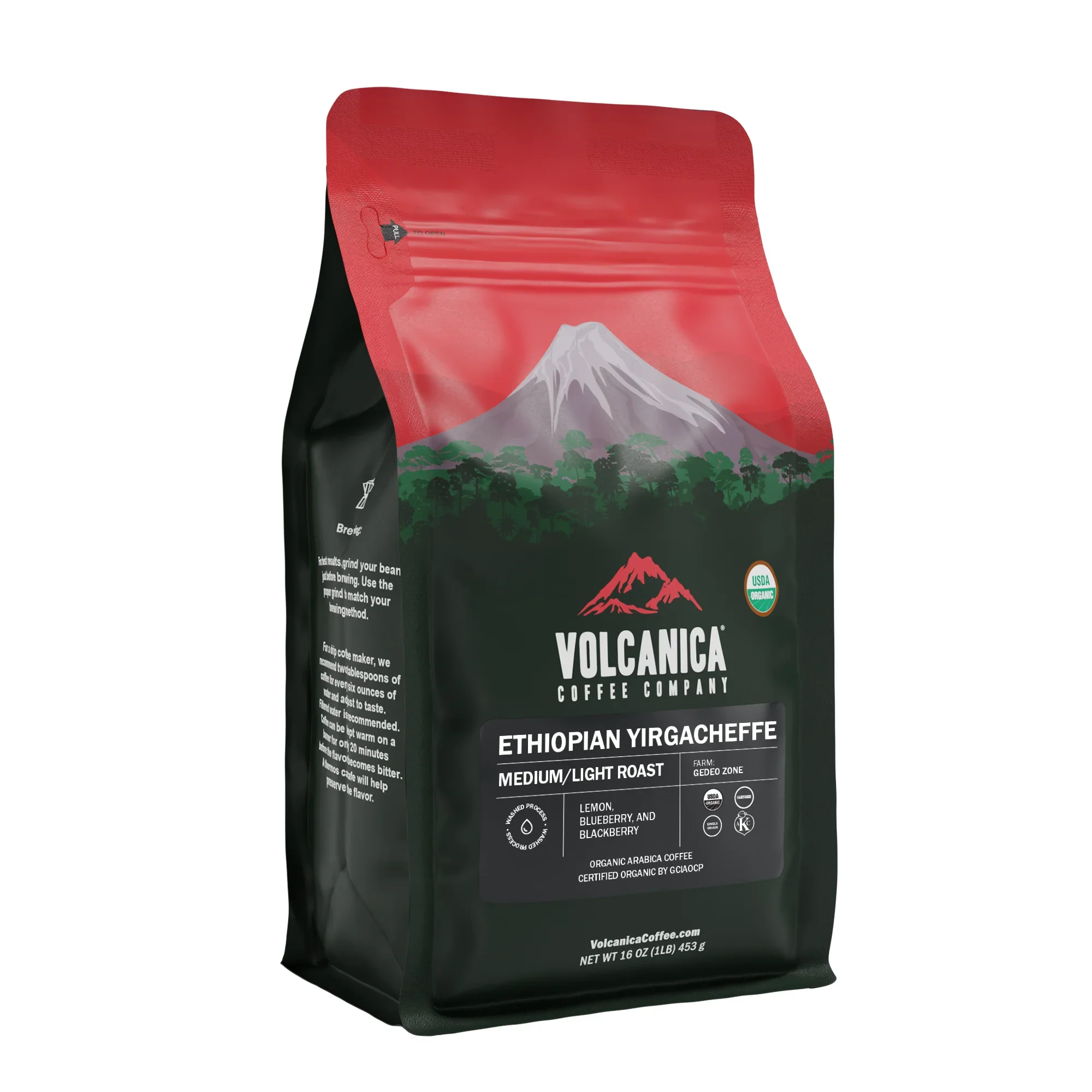
Ethiopian Yirgacheffe Coffee is a unique USDA organic coffee with a complex origin and truly exotic flavor with pleasant acidity. Yirgacheffe is a coffee region in southern Ethiopia that produces distinctively floral and fruit-toned coffees from traditional varieties of Arabica long grown in the region from wild coffee trees. The best Ethiopian Yirgacheffe Coffee dry-processed tends to be medium-bodied, brilliantly acidic and contains rough fruity or winy tones. We buy this coffee direct from Ethiopia to get the best crop with the best price. Certifications: USDA Organic Fairtrade Certified Kosher Certified Flavor Notes: Lemon, Blueberry, and Blackberry Processing: Washed Process Roast: Medium/Light Roast Additional Information: Drying: Patio Farm: Gedeo Zone pH: 5.0 Altitude: 7,500 Feet Single Origin Coffee #1 Best Seller Ethiopia Coffee - The Birthplace of Coffee Hailed as the birthplace of coffee, Ethiopia Yirgacheffe coffee is grown in the Gedeo zone of southern Ethiopia with an average growing altitude of 2000 meters above sea level. Ethiopia Yirgacheffe coffee is recognized as some of the most unique, distinctive Ethiopian coffees, with notes of floral citrus and a clean mouthfeel that exemplifies why the Yirgacheffe growing region is so lauded within the coffee community. Ethiopia Yirgacheffe is at the epicenter of coffee within the Sidoma Region of Ethiopia and produces nearly a billion pounds of coffee per year. Ethiopian coffee was first exported from the country in the 1600’s, before slowly waning due to coffee demand primarily being met by countries like Yemen and Java, which were a lot closer to ports in the colonial trade routes. But Ethiopian coffee was rediscovered with revamped curiosity in the 19th century for producing high quality, consistent coffee crops, emblematic of Ethiopian coffee’s Strictly Hard Beans (SHB) and Strictly High Grown (SHG) coffee that naturally occur within Ethiopia’s high altitudes that infuse the beans with nutrients from the soil and translates to a fruity tasting body with floral aromas. Yirgacheffe coffee farmers are a part of the Yirgacheffe Coffee Farmers’ Cooperative Union (YCFCU), which represents over 45,000 small-holder farmers within the Ethiopian coffee industry and 28 cooperatives, and whose mission is to “promote and support the continuous development of sustainable coffee supply” within Ethiopia Yirgacheffe coffee growing areas. First established in 2002 as a political ally for small-holder farmers within Yirgacheffe, the YCFCU helped combat increasing government antagonism and championed the Yirgacheffe farmers’ ability to thrive at the end of the socialist system within Ethiopia that left many farmers disenfranchised going into the 20th-century. Ethiopian Coffee Supply Chain During the mid-2000’s, the global coffee supply chain suffered major shocks to the price of coffee, in which not even Ethiopian coffee, despite its quality, was immune to, and made it difficult for farmers all over the world to make ends meet. Though the YCFCU helped support local farmers in the region to maintain a stable source of income through empowered bargaining capabilities within the supply chain that allowed Yirgacheffe coffee and its farmers to blossom into the premiere source of great specialty coffee. Not satisfied with being the birthplace of coffee, Ethiopia Yirgacheffe also happens to be the birthplace of the first wet processing mill back in the 1970s that utilizes a washing method of soaking the coffee cherries in vats of water once picked, until they are cleaned and then rotated and dried on elevated beds until they are ready to be bagged. The end result creates a consistent, quality flavor that has a cleaner mouthfeel with notes of citrus and berries that Ethiopian coffees are known for. High Standards of Ethiopian Coffee Yirgacheffe The Ethiopia Yirgacheffe region continues to be known for its high standards in coffee growing, harvesting primarily Heirloom varieties, and with a higher percentage of farmers are fair trade certified than most regions. In this new century, Ethiopia Coffee Yirgacheffe farmers continue to tap into their heritage and traditions of coffee growing to exemplify what’s not only special about Ethiopian coffee but what’s special about specialty coffee.

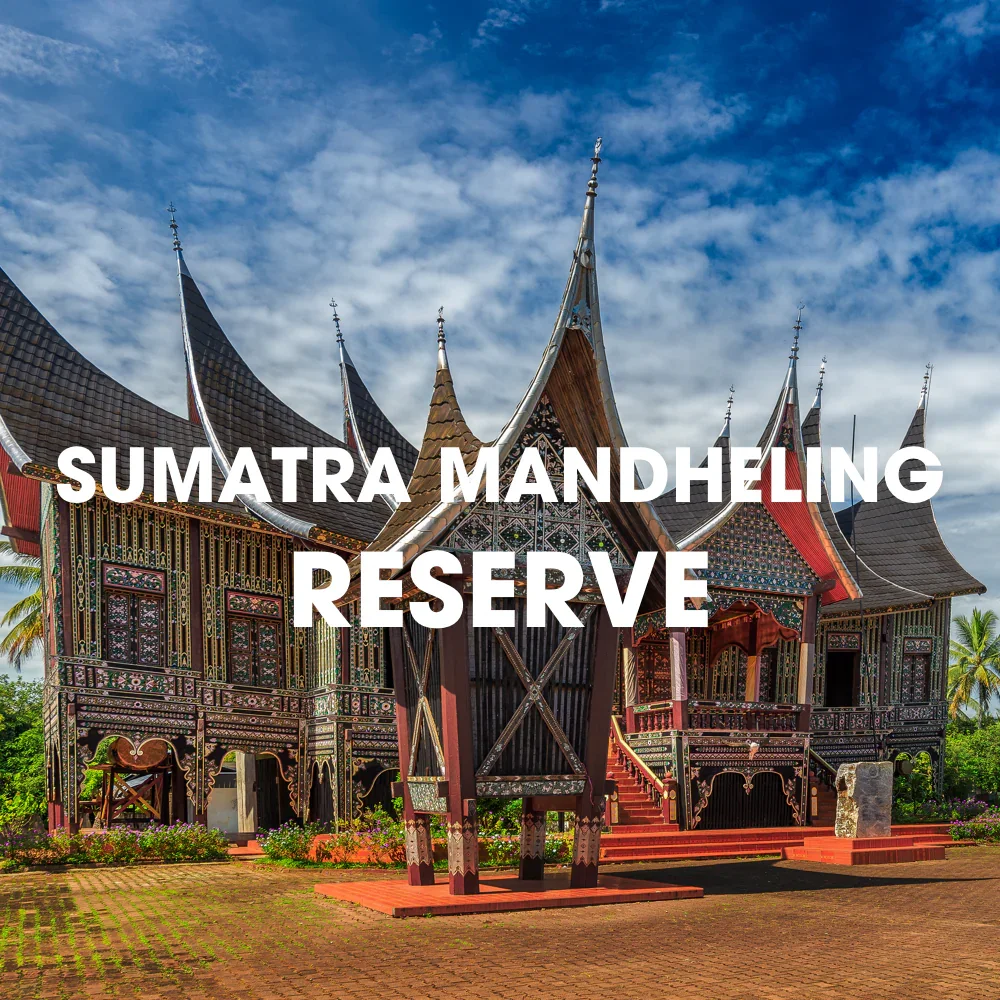
Sumatran Dark Roast Coffee - Mandheling Reserve is the dark-roasted version of this rare Indonesian coffee. Delightfully smooth with a rich, heavy body, low acidity, an exotic flavor with an intense syrupy aftertaste, and an earthy richness, it is a highly valued brew. This version is dark roasted to bring out a different, more potent taste. Rated a low acid coffee due to the lower acidity. Certifications: USDA Organic Kosher Certified Flavor Notes: Brown Sugar, Dried Fruit, and a Winey Clean Aftertaste Processing: Washed Process Roast: Dark Roast Additional Information: Country: Indonesia Drying: Sun Dry Process Farm: Various Smallholder Farms Altitude: 4,000 Feet Low Acidity: The process for developing a lower acid (or more basic) with our Sumatran Dark Roast Coffee - Mandheling Reserve involves roasting beans that are naturally lower in acid, for longer periods of time. This ensures that the acidic components of the coffee are processed out and result in a higher pH. pH: 5.6 Low Acid Coffee Single Origin Coffee Sumatra Dark Roast Coffee Coffees that hail from the island of Sumatra in Indonesia have some of the best growing conditions for coffee, especially for dark roasts. With rich, volcanic soil filled with plenty of nitrogenous and other great nutrients suited best to grow coffee, Sumatra coffee’s rich bold flavor offers earthy and chocolate notes that are often best enjoyed as a dark roast. Whereas a lot of other coffee growing producers from around the world have specialized in processing their coffee using washed processing, Sumatra is unique for continuous use of wet-hull processing. The driving factors as to why Sumatran coffee farmers use wet-hull processing are environmental and monetary. On the one hand, Sumatra’s weather is often rainy and humid, which makes it difficult to dry the coffee out in the sun, as most coffee producers do in Central and South America. And on the other hand, drying out the coffee to be prepared to ship to mills, distributors, and exporters is a long and arduous process, usually taking anywhere from 2-3 months in the best of conditions. All in all, it simply makes more sense for farmers in Sumatra to process their coffee using the wet-hulling method, which ultimately leads to the taste profile we’ve all grown to love and know within coffee from the region. Roasting Sumatra Dark Roast Coffee While there have been those that purchase large quantities of Sumatran coffee and simply roast it all dark to hide some of the more glaring faults in the beans, we here at Volcanica purchase only the best Sumatran coffee for our Sumatra Dark Roast Coffee Reserve and have designed a roast profile uniquely equipped to bring out the subtle spices and aromas within our Sumatra coffee as a way to enhance the flavor profile rather than hide something. Our roast profile for our Sumatra Dark Roast Coffee is longer than our regular Sumatra Mandheling in order to slowly develop a mature taste profile that isn’t burnt or too bitter but rather showcases an array of sweet, flavorful tones bursting through each cup, as notes of brown sugar, dried apricot, and cocoa wash over the palate. Whether you’re a lover of dark roast or a lover of Sumatra and/or Indonesian coffees, we believe you’ll find something to cherish in our one-of-a-kind Sumatra Dark Roast Coffee Reserve.

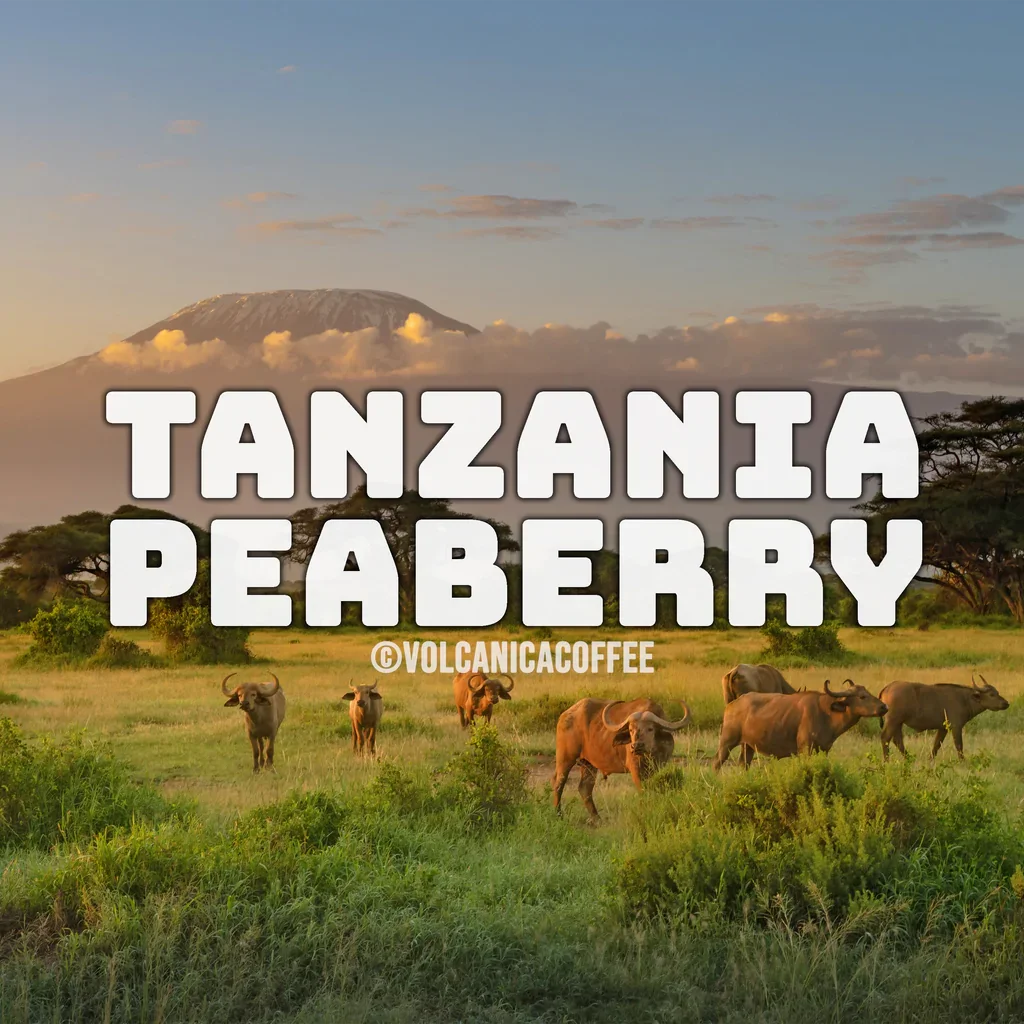
Tanzania Peaberry Coffee is now sourced from the prestigious Kilimanjaro Plantation, nestled on the southern slopes of Mount Kilimanjaro. This estate has been growing high-quality Arabica Bourbon coffee since 1955, with its roots tracing back to the introduction of Arabica Bourbon by missionaries in 1890. The rich volcanic soil and perfect climatic conditions make this single-origin coffee one of the finest in the world. The coffee from Kilimanjaro Plantation is known for its vibrant acidity, rich body, and intense flavor, with delicate winy overtones and a fragrant aroma. Originally grown on large plantations, the coffee is now a vital part of the local “shamba” (cultivated garden) tradition of the Chaga tribe, who have been integral to the region’s coffee cultivation. Each cup reflects the legacy of Kilimanjaro’s world-class coffee production, combining tradition and excellence in every sip. Certifications: Kosher Certified Single Origin Rainforest Alliance - RFA UTZ Certified Flavor Notes: Cinnamon, Light Milk Chocolate, and Stone Fruits Processing: Washed Process Roast: Medium Roast Additional Information: Country: Tanzania Drying: Raised Beds (A natural drying process that results in a sweeter, more floral flavor) Altitude: 4900 FT Farm: Kilimanjaro Estate pH: 5 Single Origin Coffee Peaberry Coffee: What is a Peaberry Coffee? Tanzania Peaberry Coffee beans are unique and have a much richer flavor. They are only found in 5% of the crop and are removed manually. The flavor of the Tanzania Peaberry Coffee is of a finer quality than the rest of the crop and is desired by coffee connoisseurs. Tanzania Coffee History Most sources indicate that coffee arrived in Tanzania in the 16th century from Ethiopia. Originally, the Haya tribe in Tanzania would take the ripened coffee cherries and boil their skins with various herbs until macerated, and then smoked the mixture until it became something akin to coffee cherry jerky, which they would then chew on. They called coffee concoction amwani. At first, coffee wasn’t meant for daily consumption in Tanzania. The people of the Haya tribe restricted its use for cultural, primarily religious, rituals, in which primarily high-ranking officials and royals were allowed to consume amwani and it was tightly controlled who could grow the crop. Coffee became a cash crop in Tanzania in the 20th century under German colonial rule, in which the colonists mandated coffee trees be planted in every region in 1911, and soon after coffee became a major exported crop and indelibly linked to Tanzania. After World War I, the British took over the country and quickly planted over ten million seedlings throughout Tanzania, and eventually created the first cooperative in the country by 1925, called the Kilimanjaro Native Planters’ Association (KNPA). After Tanzania’s independence in 1961, the government made quick work to develop the infrastructure and help grow the coffee industry into the burgeoning success that it is today. Despite occasional setbacks, like the coffee wilt disease spreading through the crops in the 1990s, and various economic troubles of the country, coffee has persisted to become one of the most important crops of Tanzania, and that is no more apparent than in Tanzania Peaberry coffee that Tanzania is known the world over for. What Makes the Tanzania Peaberry So Unique Although they are referred to as beans, the coffee that we know and love is in fact a seed. Normally, the seeds inside coffee cherries develop two flat surfaced sides. In approximately 4-6% of the world’s coffee production, only a single seed grows inside the coffee cherry. These are what we refer to as peaberries. The reason why Tanzania Peaberry coffees are so well-known and taste so good is because they grow on the slopes of Mount Kilimanjaro between 1,050 to 2,500 meters above sea level in volcanic soil that provides essential nutrients that seep into the coffee beans and lend exotic flavors to Tanzania Peaberries that have made this particular coffee synonymous with great peaberry coffee. Despite peaberries growing in almost every single region that coffee is grown in all over the world, Tanzania Peaberry coffee has won the distinction of having some of the best peaberry coffee around due to the country’s ideal climate, centuries long traditions of coffee production, and great infrastructure that continues to help support and develop coffee producers to create some great coffee. Flavor Profile of Tanzania Peaberry Coffee Our Tanzania Peaberry Coffee is grown on the Kilimanjaro Estate that specializes in growing bourbon and kent varietals that display a fruity, floral notes that is similar to wine, similar to a Cabernet with tart cherry flavors that coat the palate and with wild, exotic aromatics. The roasting profile we created accentuates the fruity tones of the Tanzania Peaberry coffee while drawing out the robust body of this peaberry to give an overall balanced cup that isn’t overwhelming in acidity and is still pleasantly sensational. The Tanzania Peaberry coffee is distinctive and packed with flavor that keeps impressing us the more cups of it we’ve had. There always seems to be something new to discover each morning when having the Tanzania Peaberry coffee, with notes of cinnamon, light milk chocolate, and stone fruits. Tanzania Peaberry Coffee is UTZ Certified Our Tanzania Peaberry Coffee is UTZ Certified, which stands for more sustainable farming and better opportunities for farmers, their families, and our planet. The UTZ certification program for Tanzania Peaberry enables coffee farmers to use better farming methods, grow better crops, and generate more income.


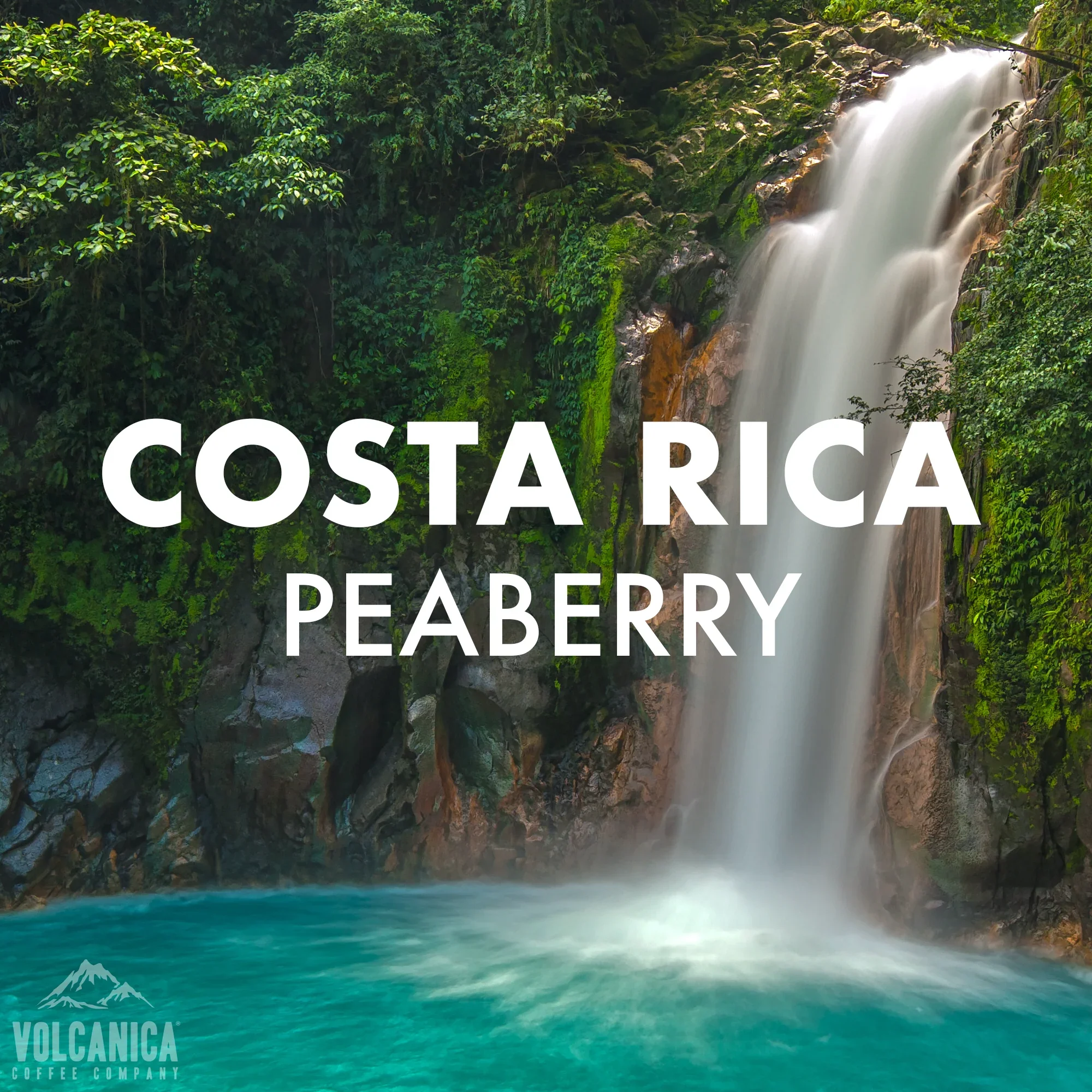
Costa Rica Peaberry Coffee is from the Tarrazu region near San Marcos, regarded as the producing the highest quality coffees in Costa Rica. We also have the La Candelilla Estate producing a portion of this volume. This world prized, single estate peaberry coffee is shade-grown and rain forest certified at an altitude of about 5,500 feet. Highly prized by connoisseurs for its balance and intensity of flavors such as honey, lemon, and almond, this coffee is a great example of a typical coffee from the region as they tend to be mildly sweet and bright. With a unique smooth flavor, these beans are considered one of the rarest in the crop. Certifications: Kosher Certified Rainforest Alliance Certified Flavor Notes: Honey, Lemon, and Almond Processing: Washed Process Roast: Medium Roast Additional Information: Farm: Coopetarrazu and Finca La Candelilla pH: 5.1 Altitude: 5,500 Feet Single Origin Coffee Shade Grown Peaberry Coffee- What is a Peaberry Coffee? Peaberry coffee beans are unique and have a much richer flavor. They are only found in 5% of the crop and are removed manually. The flavor of the peaberry is of a finer quality than the rest of the crop and is desired by coffee connoisseurs.

Costa Rican Dark Roast Coffee - Reserve comes from one of the most highly regarded coffee-growing areas. Costa Rican Coffee from the Tarrazu region is known as one of the world's greatest coffees with its light, clean flavor, and wonderful fragrance. Master roasted to a full roast color until the sheen of natural oils comes to the surface, this is the Costa Rican Dark Roast Coffee - Reserve at its best. Rated a low acid coffee due to the lower acidity. Certifications: Kosher Certified Flavor Notes: Nuts, Honey, and Caramel Processing: Washed Process Roast: Dark Roast Additional Information: Drying: Patio and Mechanical pH: 5.4 Low Acid Coffee Similar Products: Costa Rica Original Tarrazu is also available in Decaf Single Origin Coffee Certifying Authenticity of Costa Rican Dark Roast Coffee - Reserve Costa Rican Dark Roast Coffee - Reserve is one of the world's greatest gourmet coffees with its full-bodied richness with excellent acidity. Authentic Costa Rica Reserve Tarrazu should have an unusually silky flavor, a bold taste, and a beguiling aroma that creates an outstandingly eloquent profile. 100% pure arabica Costa Rica Tarrazu gourmet coffee is usually difficult to find in the market, and many others are usually blends that are being misleadingly advertised. There are actually no government regulations requiring roasters to be legitimate when they brand coffees as Tarrazu, and only about 5% of actual Tarrazu grown beans are actually included in some of the so-called Tarrazu coffee. Lower Costa Rican coffee grades are usually mixed in to be called "Tarrazu coffee” when in reality these should be called blends. To ensure a high quality product, it is important to provide as many quality safeguards as necessary to harvest and roast the top of the Tarrazu highland coffee. Only coffees that are farmed and packaged in the Costa Rican coffee Tarrazu Valley around the town of San Marcos can be safely called “Original 100% pure arabica Costa Rican coffee from Tarrazu”. Farm and Processing of Costa Rican Dark Roast Coffee - Reserve Costa Rica’s near-perfect growing conditions set by its rich volcanic soil and high-altitude mild climate directly contribute to its reputation for world-renowned coffee. The higher altitudes that these Costa Rican Dark Roast Coffee - Reserve coffee beans are grown assist in the development of a much better product, not only because they have the effect of increasing the acidity of the bean and thereby improving the flavor, but also because the cold nights that occur at the higher altitudes mean that the trees develop more slowly, leading to a fuller palette. The regular rainfall caused by precipitation at the higher altitudes is also essential for the proper development of the arabica trees. Grown on small Costa Rica coffee farms with only the finest beans being selected, the coffee is sun-dried and of the highest quality and prestige found in the market. The Tarrazu highland farms have expert agriculturists with over a century of experience in harvesting and processing. Located up the Pirris River basin of the Tarrazu Highlands, the county estates produce Cost Rican Dark Roast Coffee - Reserve with Tarrazu character.
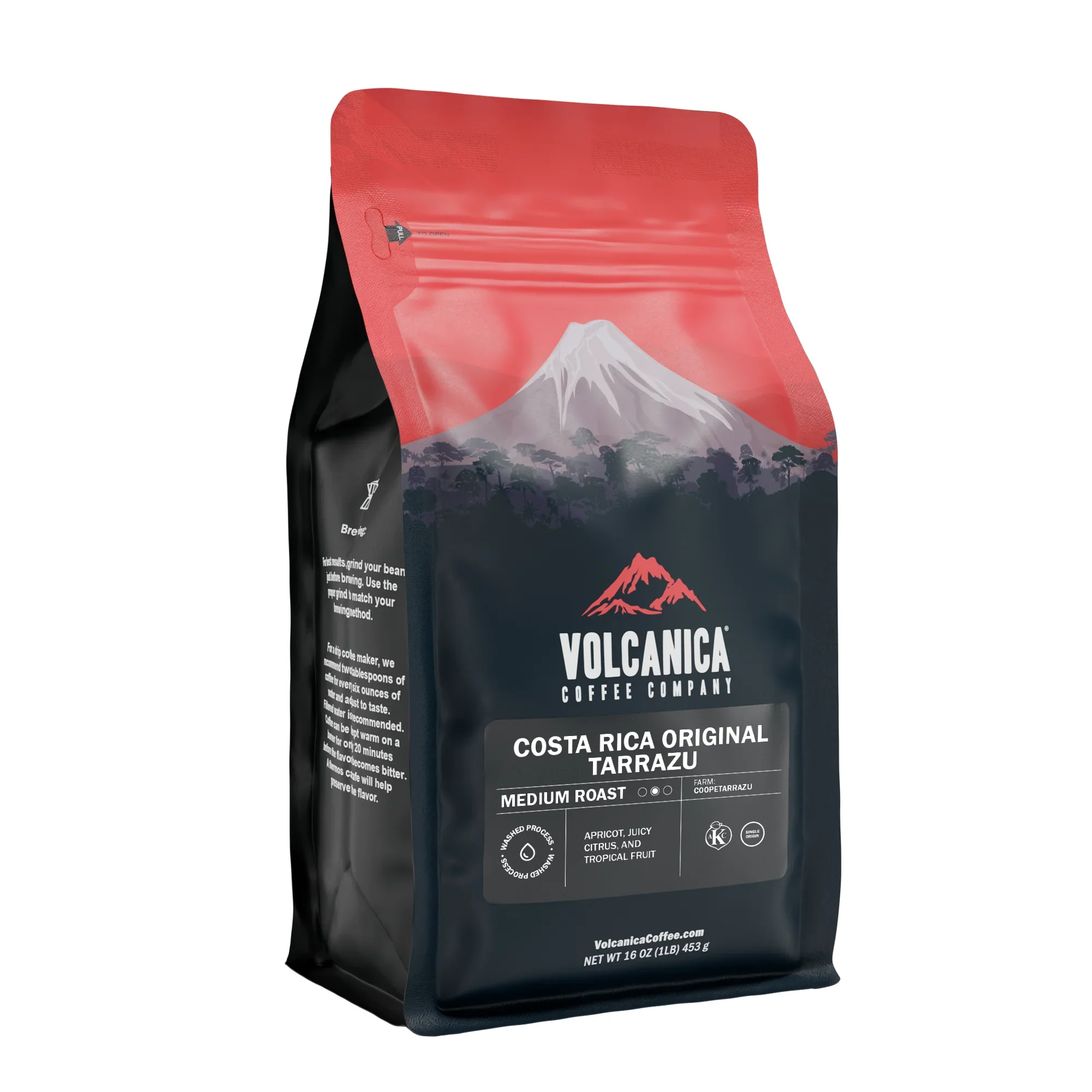
Costa Rica Coffee is grown at high altitudes on volcanic soil, where the cherries ripen more slowly, which gives it a rich and hearty flavor. This single-origin Tarrazu Estate Costa Rica Coffee, known as one of the finest in the world, is master roasted to medium color to preserve the naturally full, elegant, and rich flavors. Certifications: Kosher Certified Flavor Notes: Apricot, Juicy Citrus, and Tropical Fruit Processing: Washed Process Roast: Medium Roast Additional Information: Drying: Sun Dry Process Farm: Coopetarrazú pH: 5.1 Altitude: 5,500 Feet Similar Products: Available in Decaf and Dark Roast Single Origin Coffee: Grown at high altitudes on volcanic soil Certifying Authenticity of Costa Rica Coffee Costa Rica Coffee is one of the world's greatest gourmet coffees with its light, clean flavor, and wonderful fragrance. The coffee should have a full body with excellent acidity. Authentic Costa Rica Original Tarrazu should have a silky flavor, an almost buttery taste, and a beguiling aroma that creates an outstanding eloquent profile. 100% pure Arabica Costa Rica Tarrazu gourmet coffee is usually rare to find in the market, and many others are usually blends that are being misleadingly advertised. Costa Rica Coffee Original Tarrazu History and Processing Costa Rica Coffee is grown on small farms in the mountains around the town of San Marcos de Tarrazu which is situated south of the capital, San Jose. Located up the Pirris River basin of the Tarrazu Highlands, the county estates produce Costa Rican coffee with Tarrazu character. Gravel roads connect the various farms with the nearby towns of San Pablo, San Marcos, and Santa María forming the coffee network known as Los Santos, or The Saints, are recognized worldwide as the pioneers of Costa Rica Coffee exporters from the New World to Europe. The combination of volcanic soil, cool temperatures, moist climate, plentiful sunshine, and tropical seasons provide a pristine environment for the arabica trees to grow. Harvest for Costa Rica Coffee The coffee farms in Tarrazu are the highest altitude farm operations in the entire country, which means that their cherries are the last to ripen for harvest. Grown at altitudes of 4,600 feet and higher, the coffee beans produced are of higher acidity than those grown at lower altitudes, giving them richer flavors. Further, because the weight loss is less compared to other coffee beans, the Costa Rica Tarrazu Coffee Beans are described as harder, stronger, and denser. In order to optimize associated tastes, the coffee plant cherries must be harvested at exactly the right time. The entire Costa Rica coffee harvest is picked by hand to ensure the quality of each bean and each tree is actually visited up to four times so that only the best of the fruit is picked as it matures. Once the beans arrive at a Costa Rica coffee mill, extreme care is given while handling, inspecting, sorting, and processing the coffee beans to ensure that any defective product is removed. The demand for Costa Rica Coffee Tarrazu requires very high-quality control procedures to guarantee both the richest and freshest aromas and flavors. The harder beans will then be packaged and shipped where they will then be roasted. It takes longer to roast these harder Costa Rica Coffee beans than those of coffees grown sourced in regions that are closer to the ocean found at lower elevations.
22 more products
Revenue per product, sales velocity & trending status
Organic vs paid traffic, top SEO keywords and geographic audience distribution.
Last 12 months
5 ad creatives running on Meta platforms. Analyze messaging, targeting strategy, and creative angles.


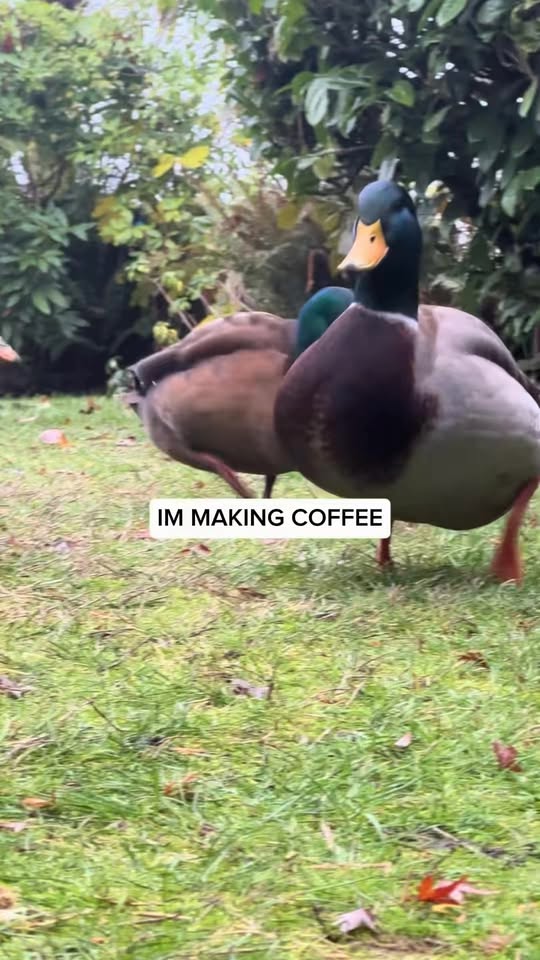
ANYBODY? #coffee #funnyanimals #ducks #cuteanimals

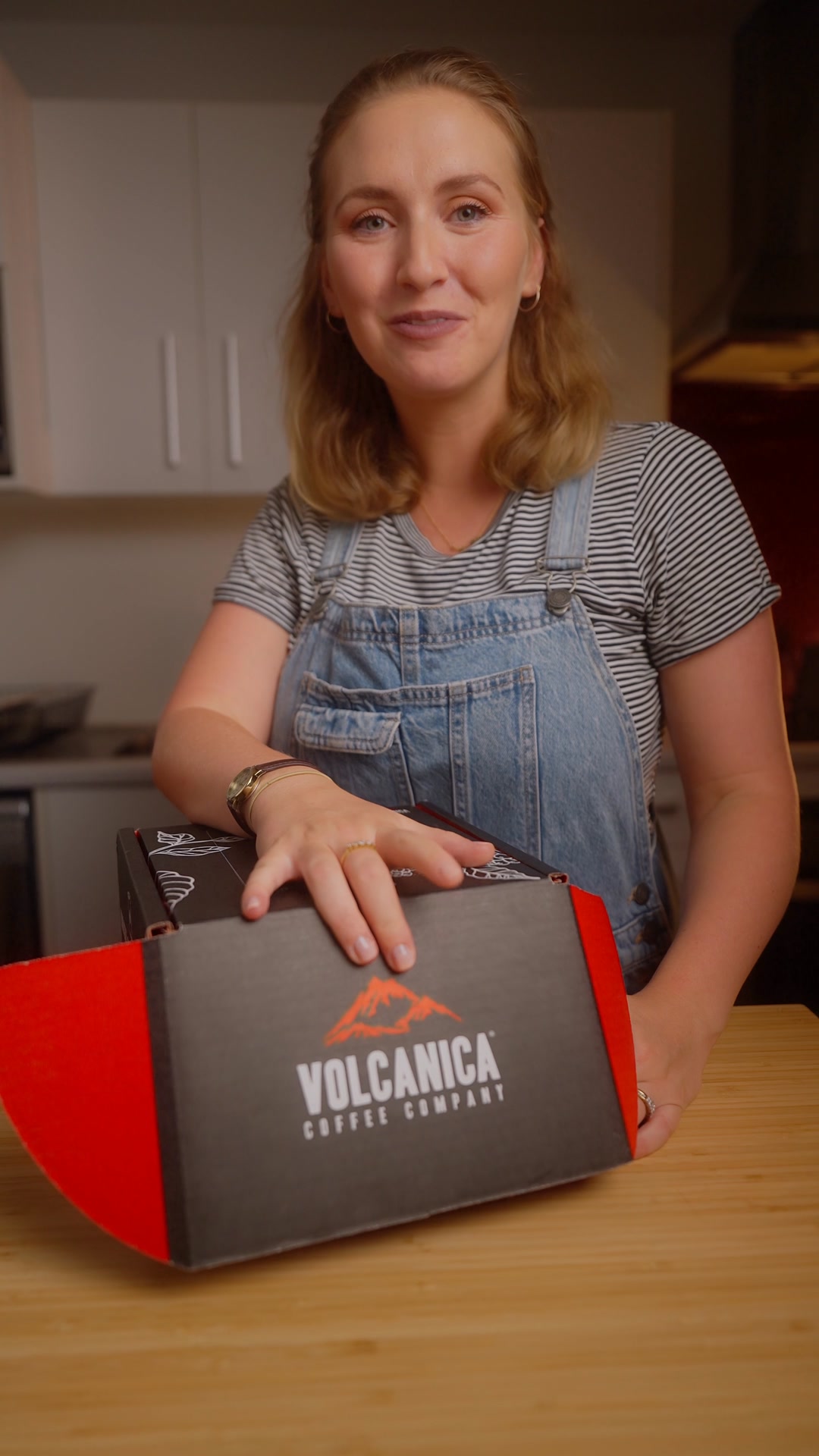
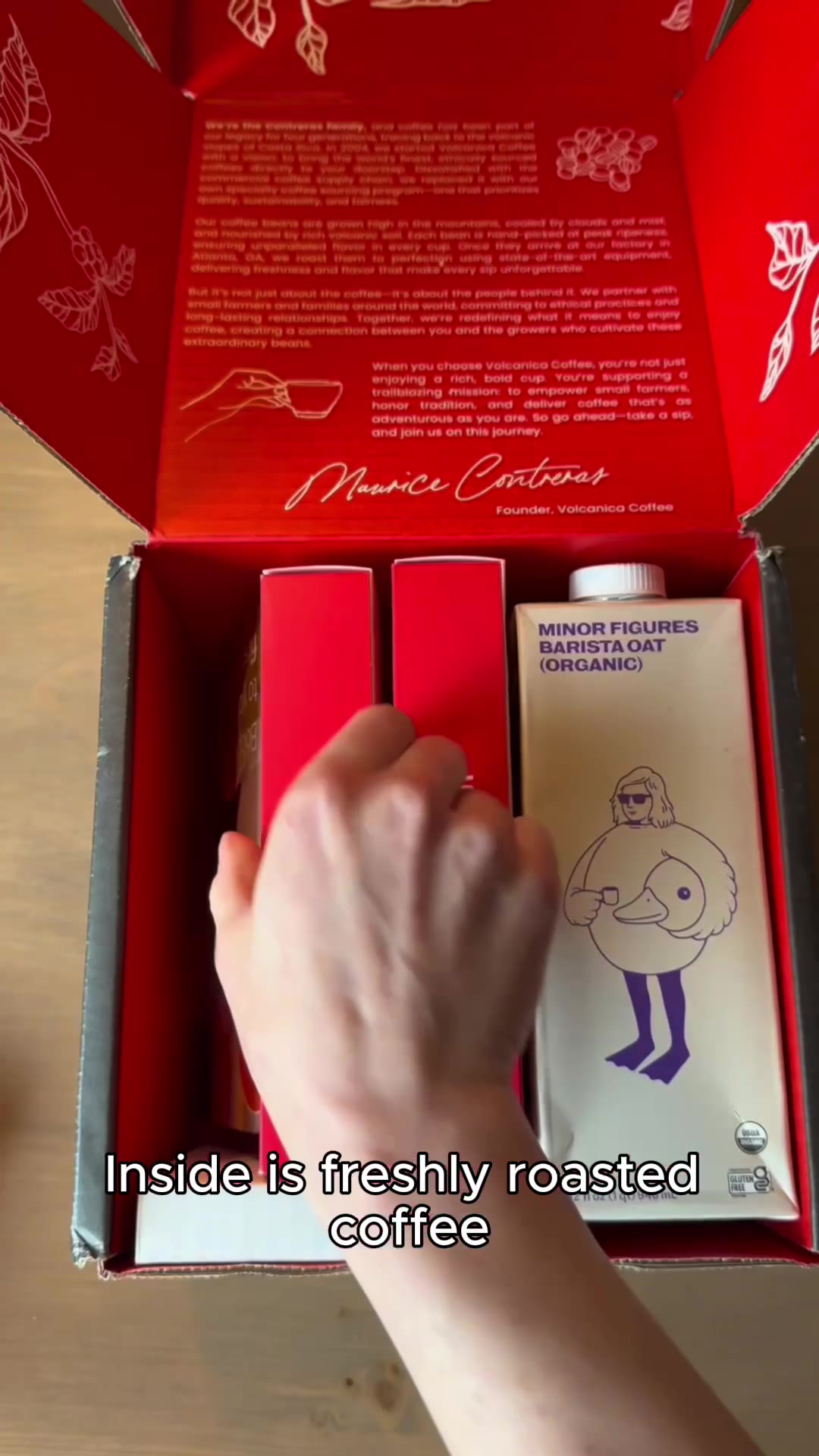
☀️ Summer heat got you sweating? Cool off with Cold Brew in your Coffee Club box. Fill your box with cold brew packs, bold African roasts, or mellow Latin American beans—whatever your taste buds crave. 🧊 Brew it chilled, iced, or hot—always fresh 🫘 Swap in seasonal picks or stick to your favorites 📦 Set your delivery schedule, pause anytime 🌍 Every subscription box helps provide clean drinking water to families in need ⭐⭐⭐⭐⭐ “You can taste the quality in every brew. My mornings will never be the same.” – Caitlin
43 more ad creatives
Ad spend, audience targeting & creative performance
Complete breakdown of Shopify apps, marketing tools, analytics platforms, and conversion optimization technologies powering this e-commerce store's operations.
Showing 5 technologies • 3 more available

Security, reliability and speed everywhere, powered by an intelligent global network.

Arrive gives you accurate and timely updates on everything you order, across all online retailers.

Make contactless, secure purchases in stores, in apps, and on the web.
Showing 5 applications • 3 more available
Grow faster and more efficiently with email, sms, reviews and more. Powered by your customer data.
Display custom shoppable Instagram Feeds on your store. Convert your store visitors into customers.
Grow Sales using Brevo's Email Marketing, Web Push Notifications, SMS Marketing, & Automation Suite.
Create and sell custom products with print-on-demand dropshipping
Get winning data you can't find anywhere else, save 95% of your time, and replace $1500+/m in tools. The platform built to make you rich fast for sure.
"The ability to see exactly what creatives are scaling for our competitors is a cheat code. We've improved our hit rate on new ad launches by over 300%."


Showing 6 of 6 similar stores with overlapping products, audience, and strategies.


See all competitors, ad creatives, and marketing strategies for Volcanica Coffee.
Start free


Everything you need to know about volcanicacoffee.com
According to BrandSearch data, volcanicacoffee.com's product catalog includes 28 items. Analyze their winning products, trending items, pricing strategies, product descriptions, and top sellers. See which products drive the most revenue and learn from their product selection strategy to find your own winning products for dropshipping or private label.
According to BrandSearch analytics, volcanicacoffee.com receives approximately 36,283 monthly visitors. BrandSearch provides detailed traffic analytics including organic vs paid traffic sources, geographic distribution, bounce rates, session duration, and estimated monthly revenue ranges. Use these performance metrics to benchmark your own e-commerce store and set realistic growth targets.
Yes! BrandSearch's ad intelligence reveals volcanicacoffee.com's complete Meta advertising strategy including all Facebook ads, Instagram ads, and ad creatives. Analyze their ad copy, visual hooks, call-to-actions, targeting strategies, and promotional offers. Study their winning ad creatives to inspire your own Facebook and Instagram advertising campaigns and improve your ROAS (Return on Ad Spend).
BrandSearch's technology detection identifies volcanicacoffee.com's complete tech stack including all Shopify apps, theme, payment processors, email marketing tools, analytics platforms, and conversion optimization apps. See which apps they use for reviews, upsells, abandoned cart recovery, SEO, and social proof. Copy their winning tech stack to build a high-converting e-commerce store without trial and error.
BrandSearch provides full competitive intelligence on volcanicacoffee.com: traffic sources (organic SEO, paid ads, social media, email), top SEO keywords driving traffic, geographic markets, customer demographics, advertising spend estimates, and growth trends. Identify gaps in their product range, find underserved niches, analyze their pricing strategy, and discover opportunities to differentiate your brand. Perfect for competitive analysis and market research.
BrandSearch helps you identify volcanicacoffee.com's business model by analyzing their product catalog, supplier patterns, shipping locations, pricing margins, and product uniqueness. See if they're running a dropshipping operation, selling private label products, or manufacturing their own goods. Learn from their product sourcing and fulfillment strategies to optimize your own e-commerce operations.


See every product, winning ad, traffic source and revenue signal behind Volcanica Coffee — in seconds.
Explore other stores similar to Volcanica Coffee